VAILLANT SPRING/SUMMER 2026 COLLECTION
The Opéra Bastille is a cavernous space, often defined by the rigorous geometry of its architecture and the high-stakes discipline of the performances within. For Alice Vaillant, however, the venue’s cold marble and grand proportions felt less like an imposing stage and more like a homecoming. Before she was a designer, Vaillant was a dancer, and her Spring/Summer 2026 collection was framed as a pilgrimage to the very floorboards that once demanded her absolute devotion. As a live pianist began to play, the atmosphere in the auditorium shifted from mere fashion show to something more sacred—a blurring of muscle memory and textile innovation.
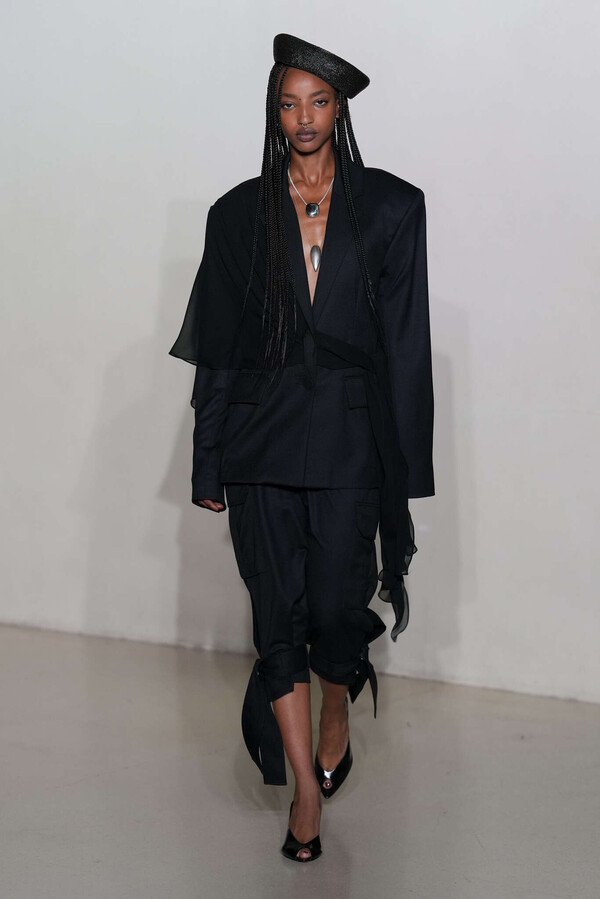
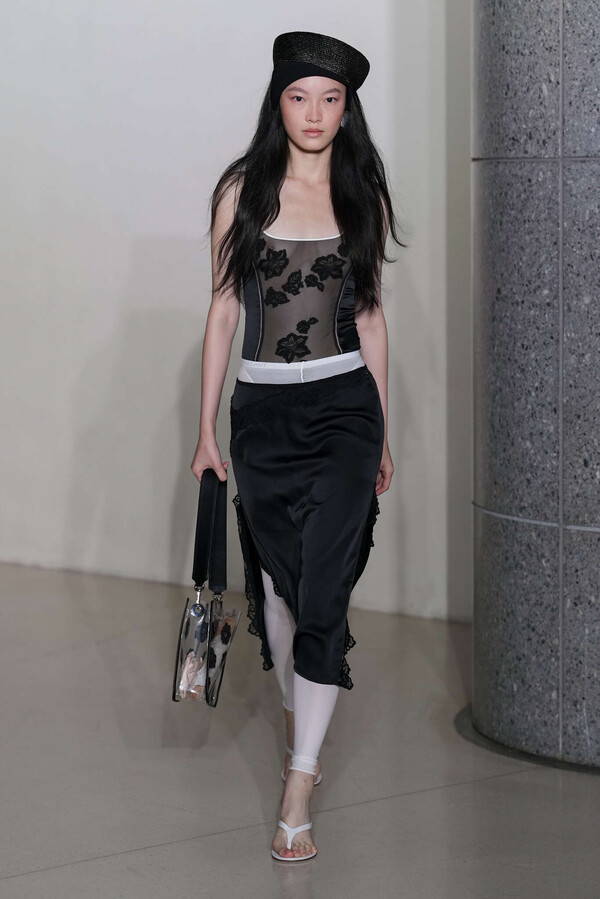
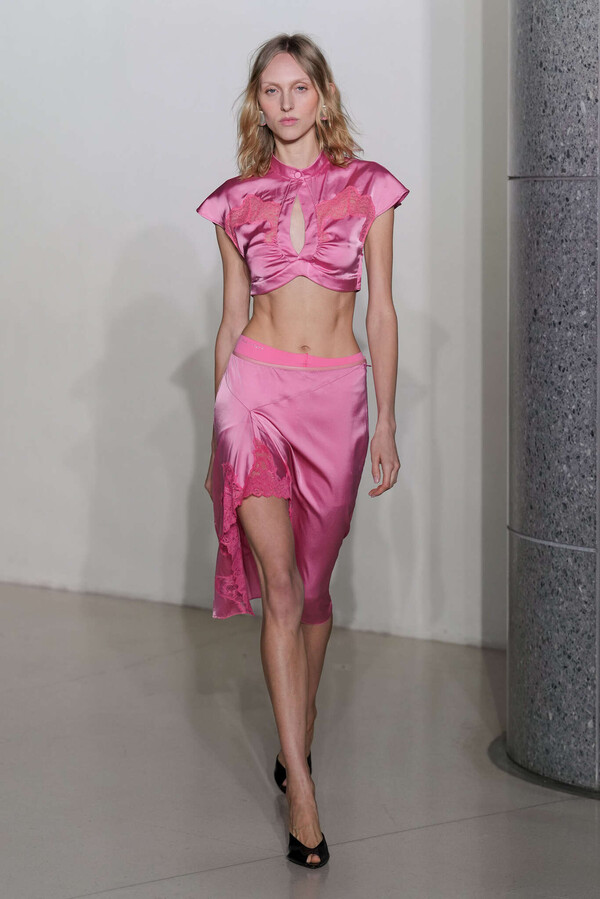
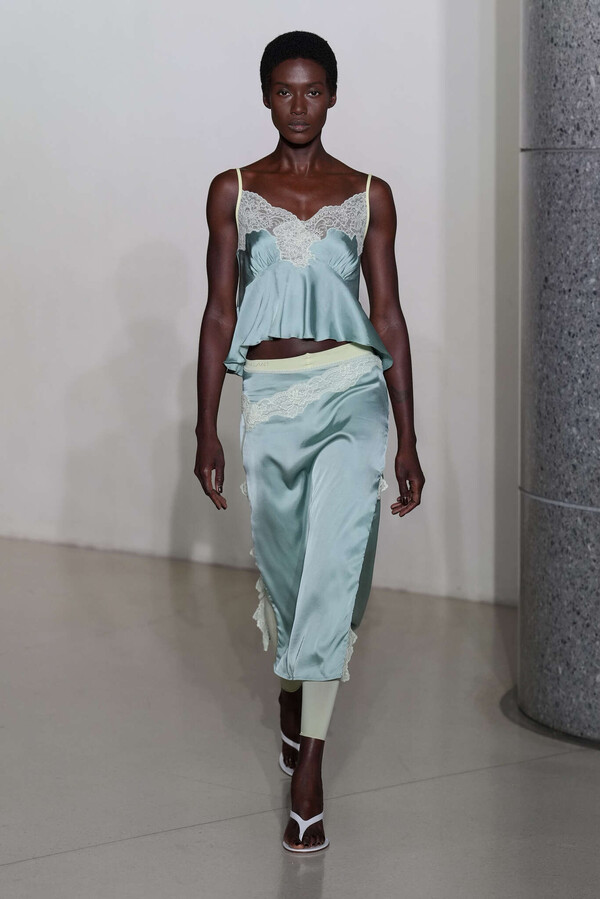
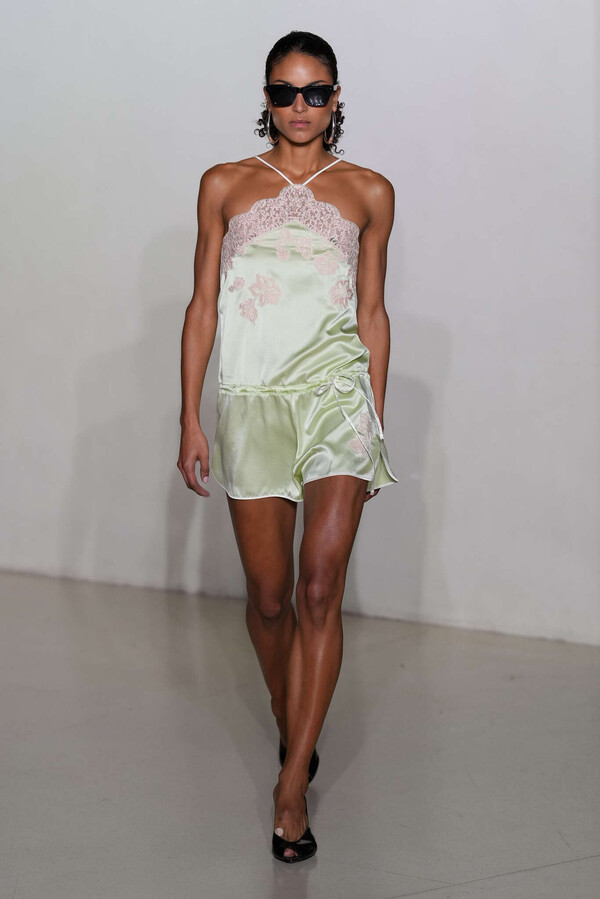
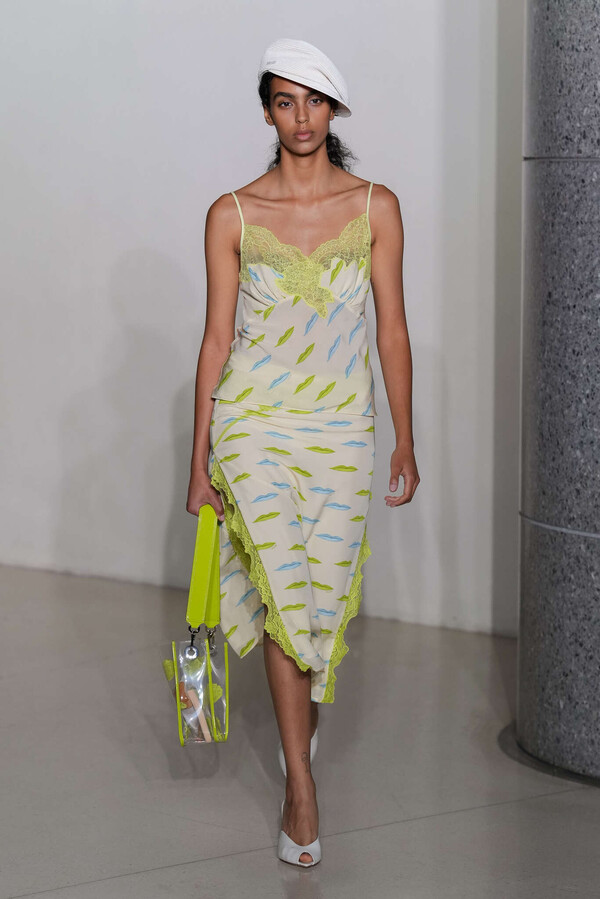
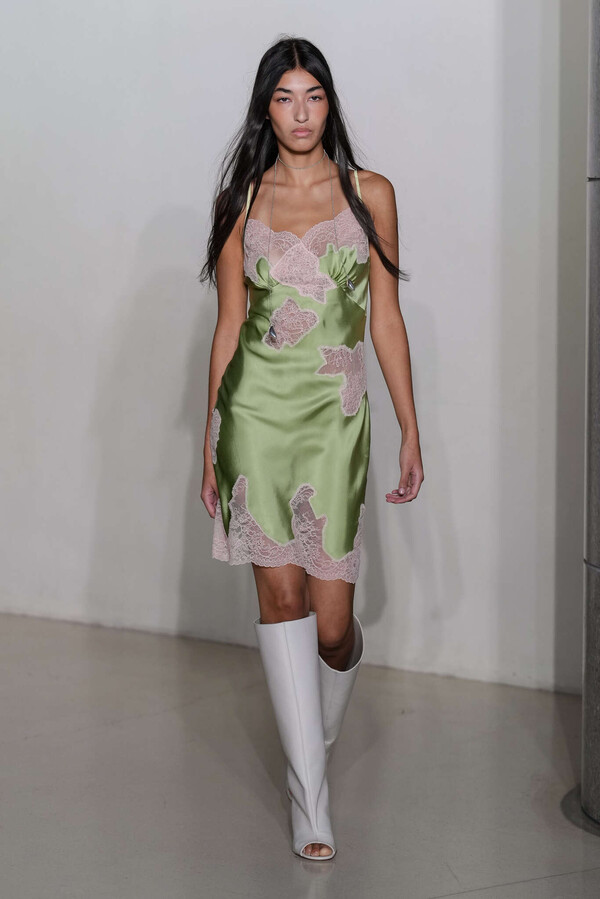
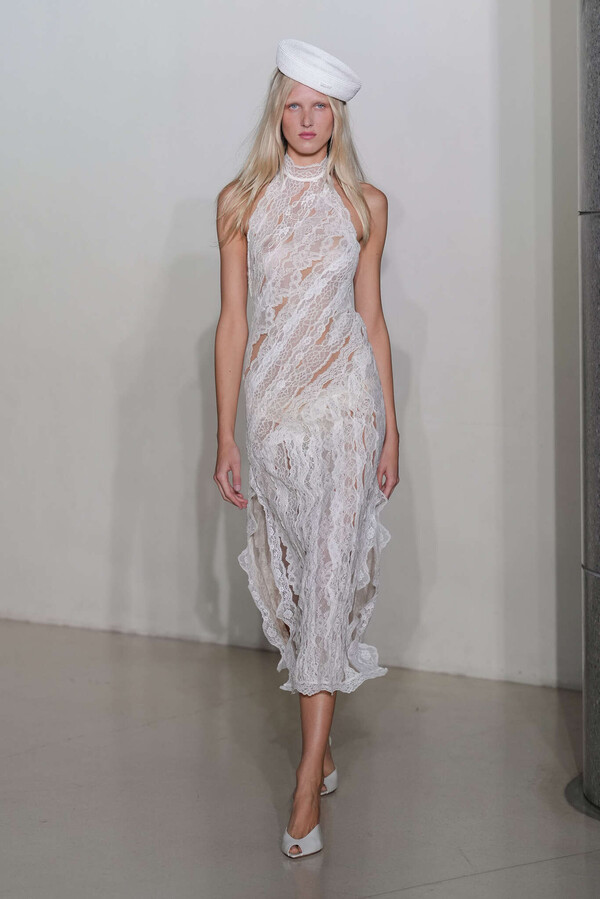
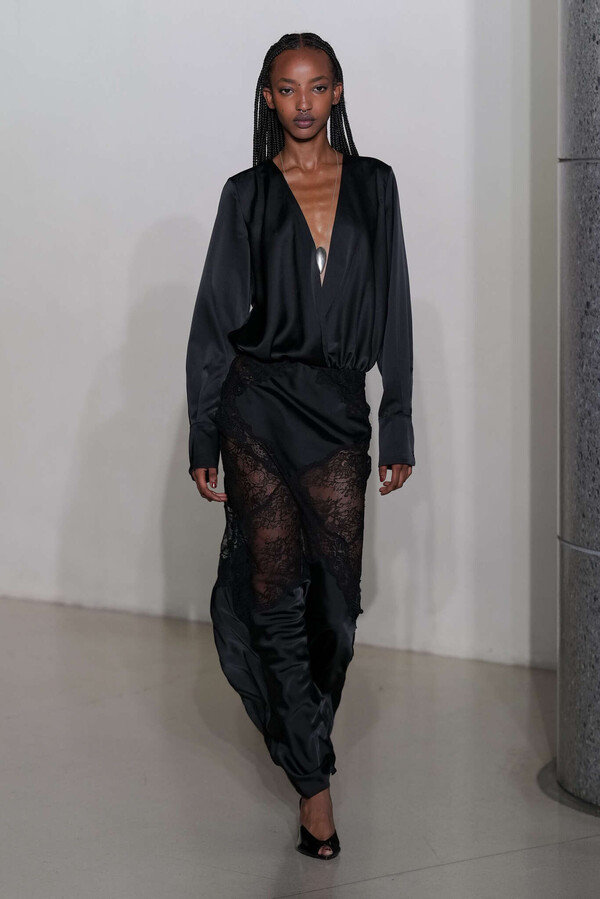
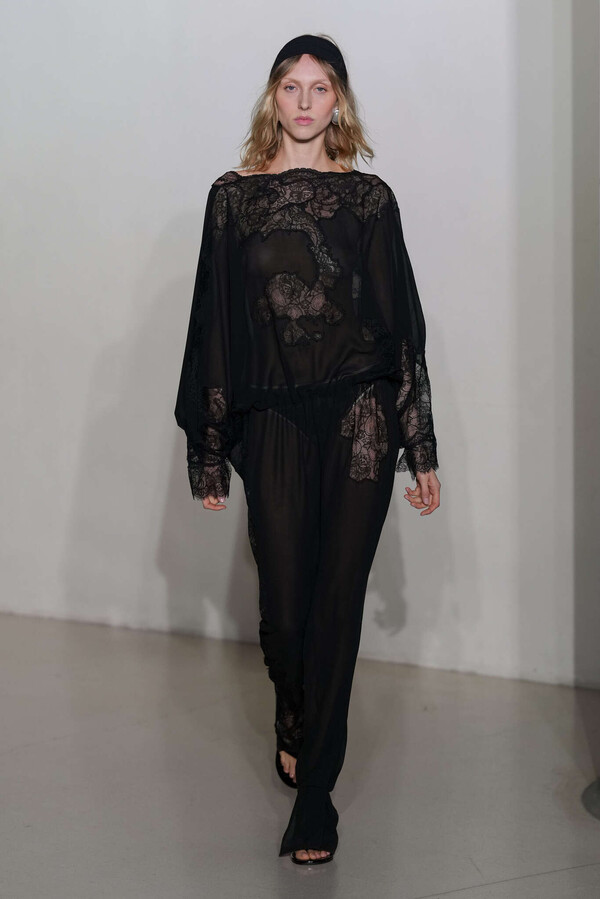
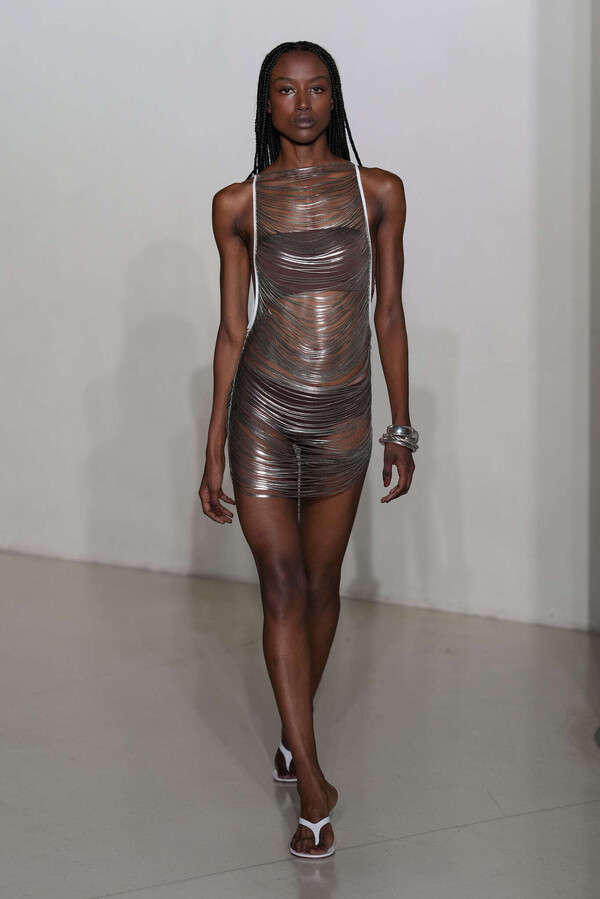
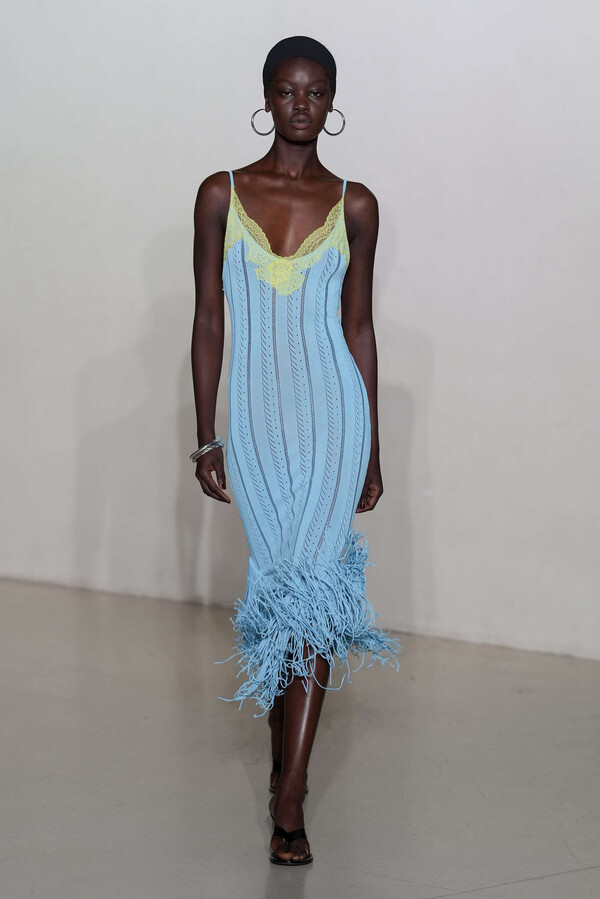
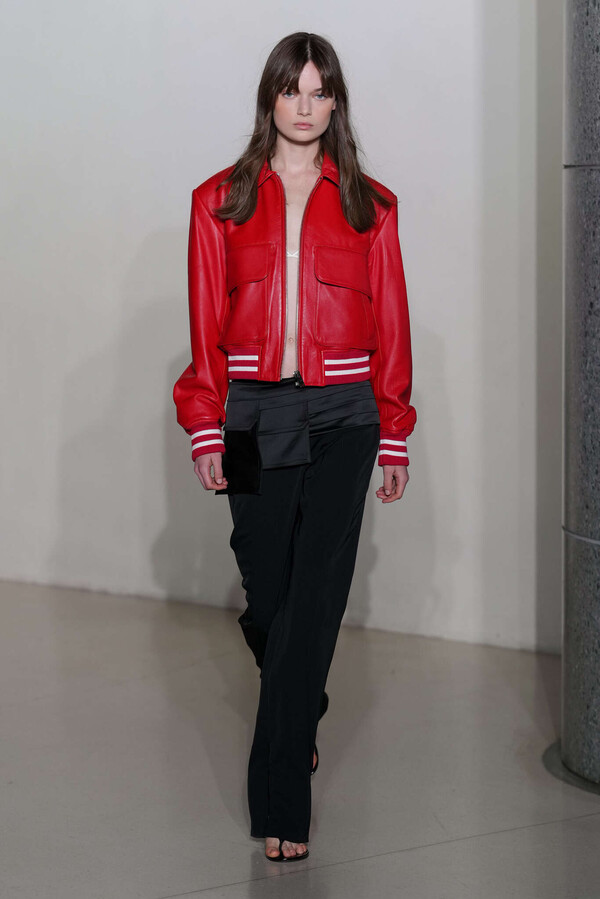
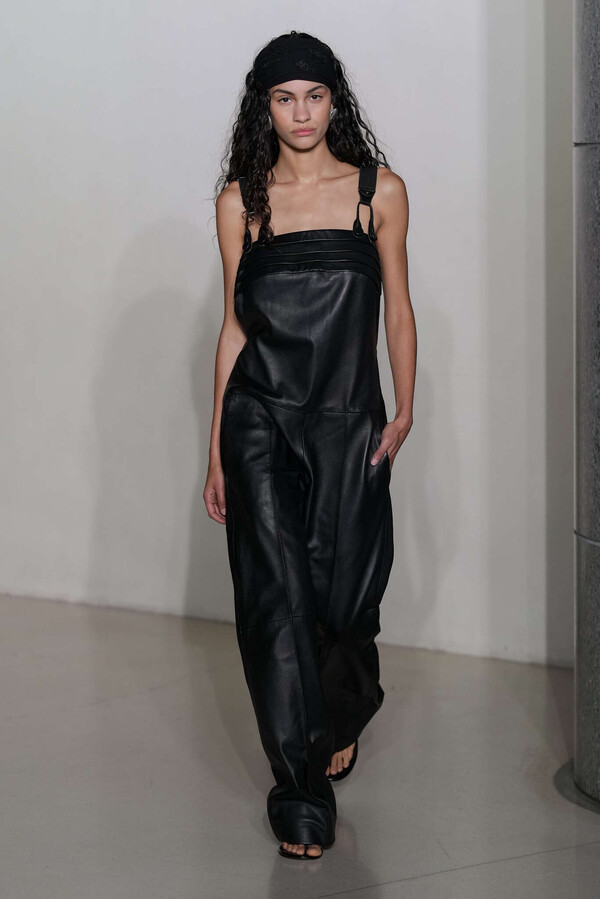
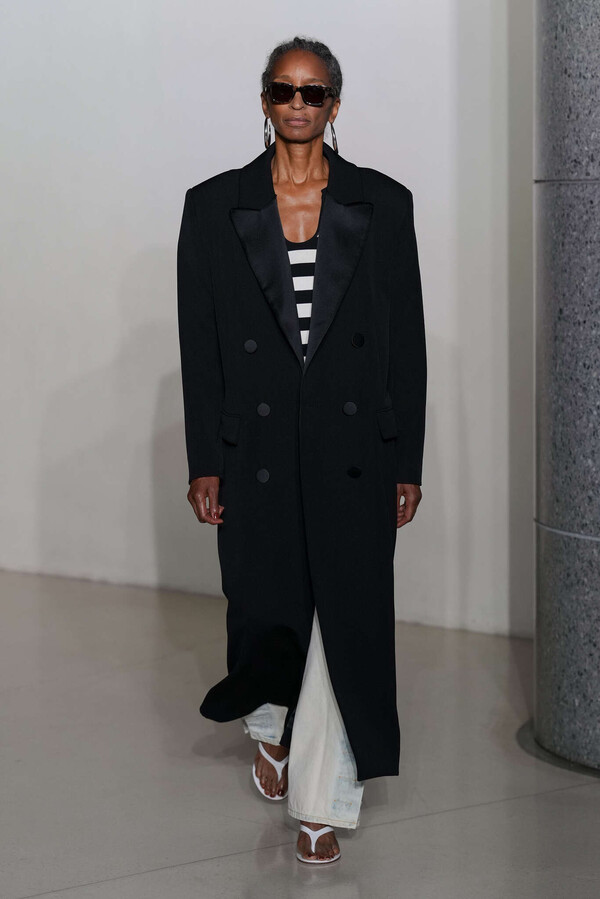
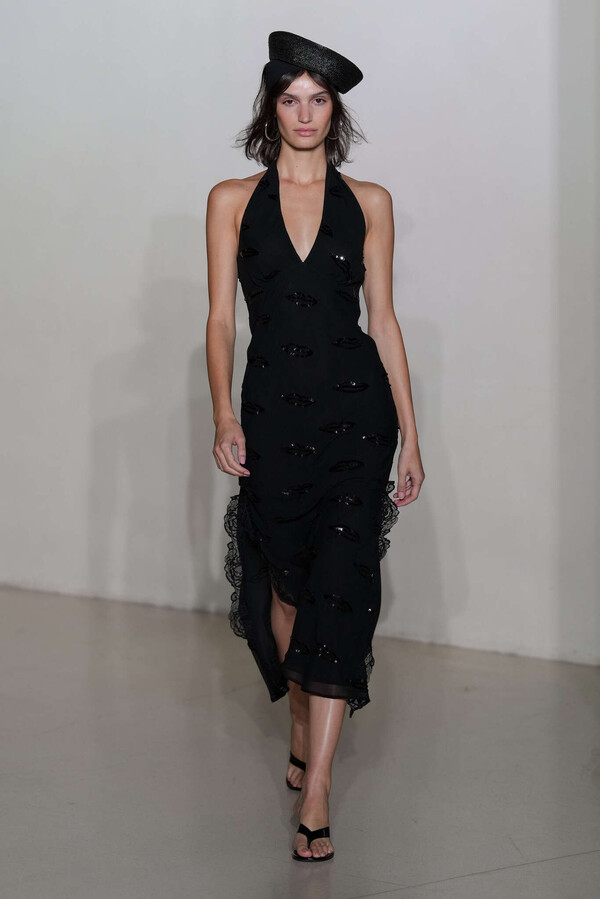
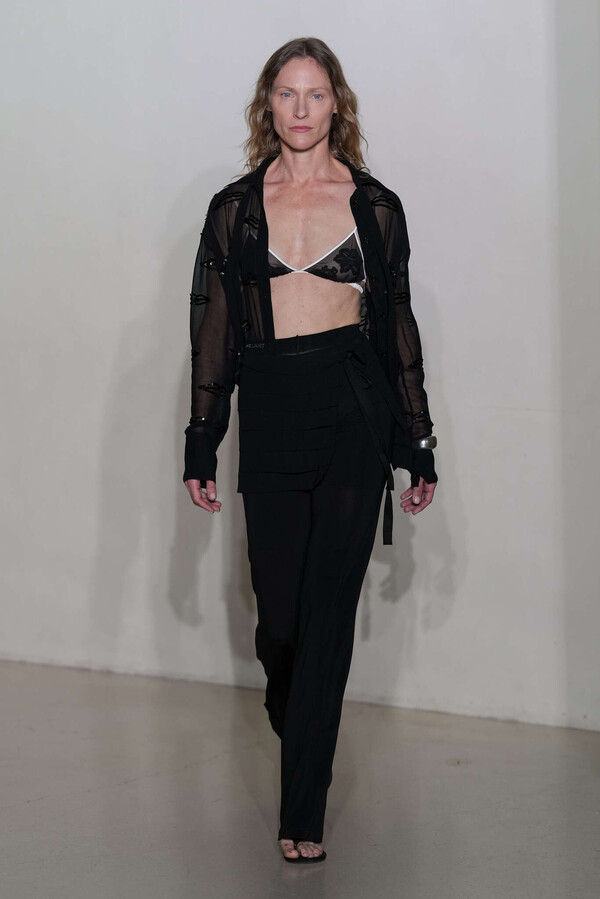
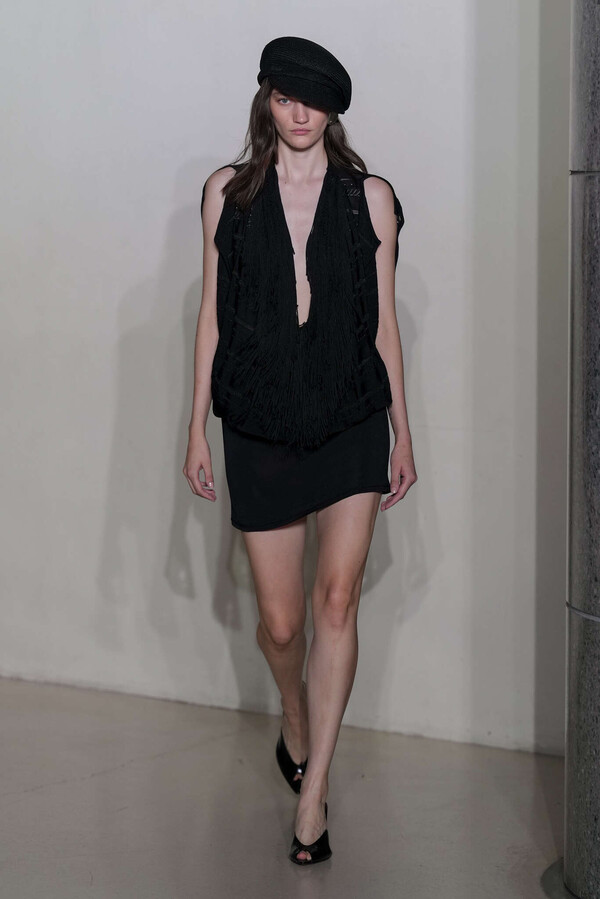
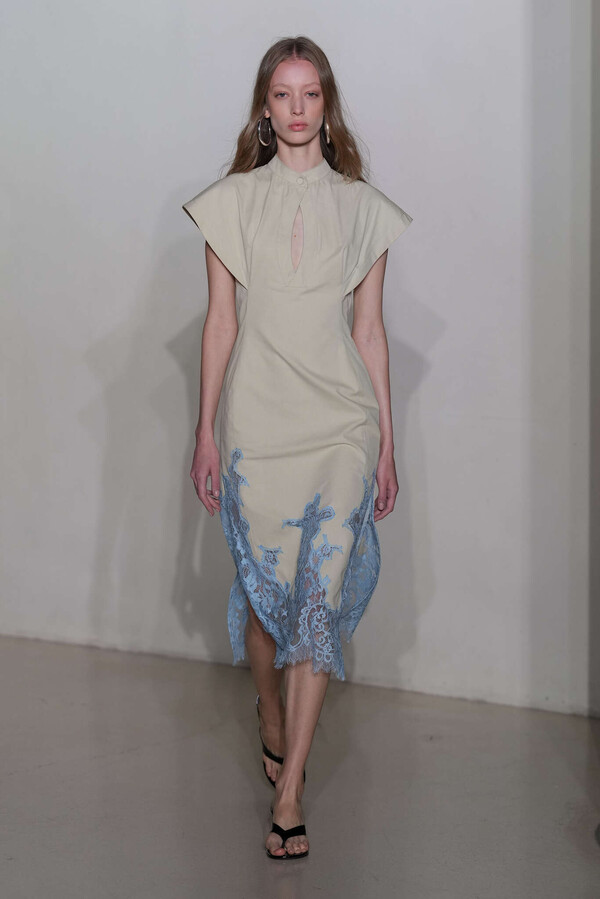
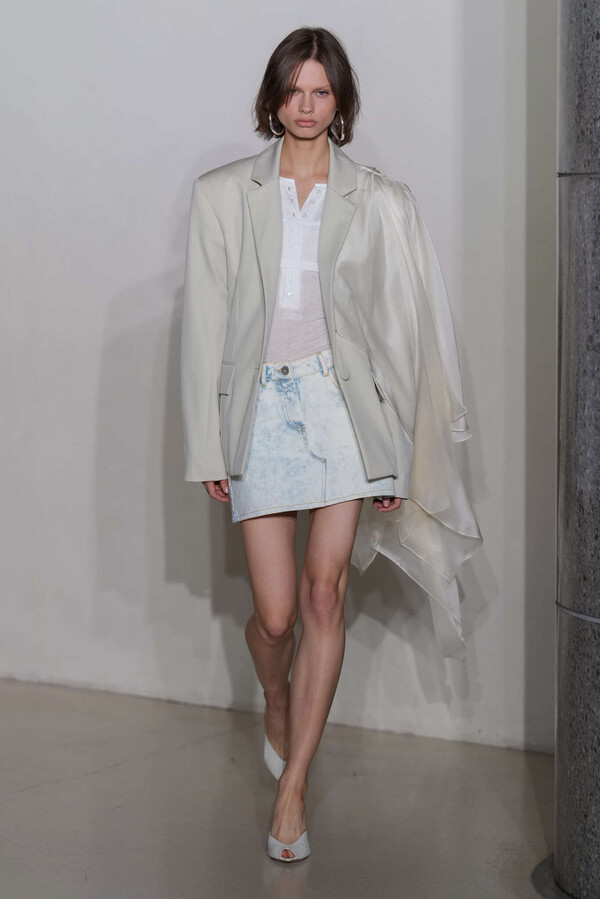
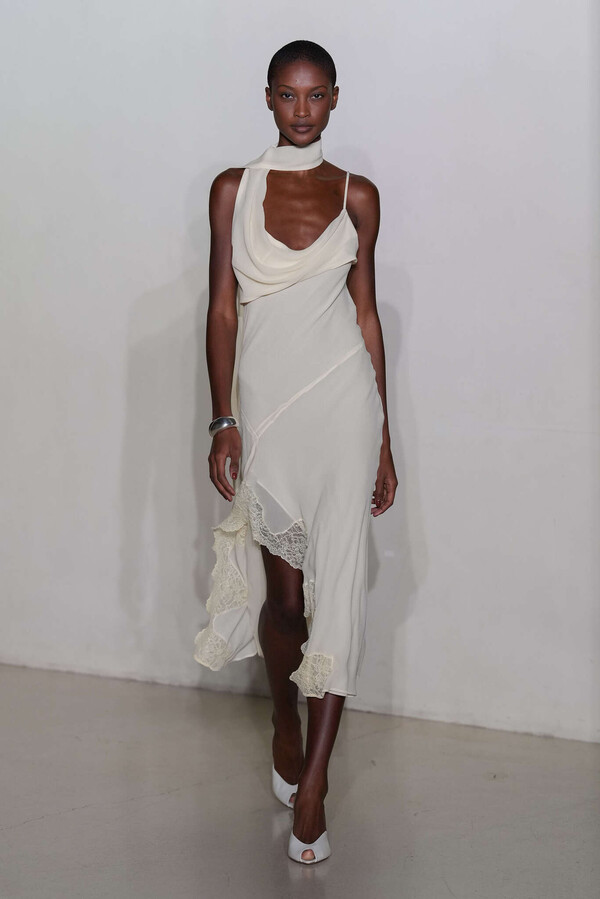
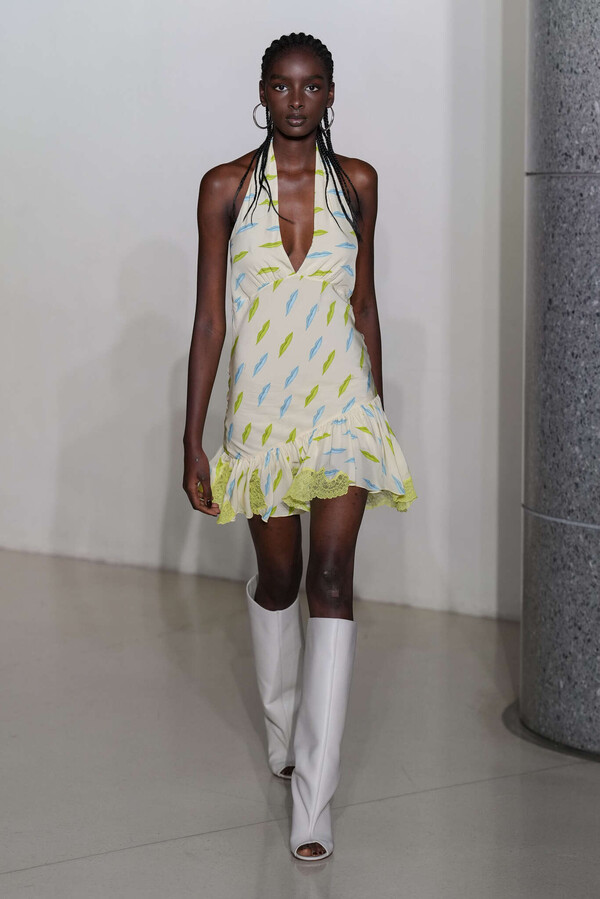
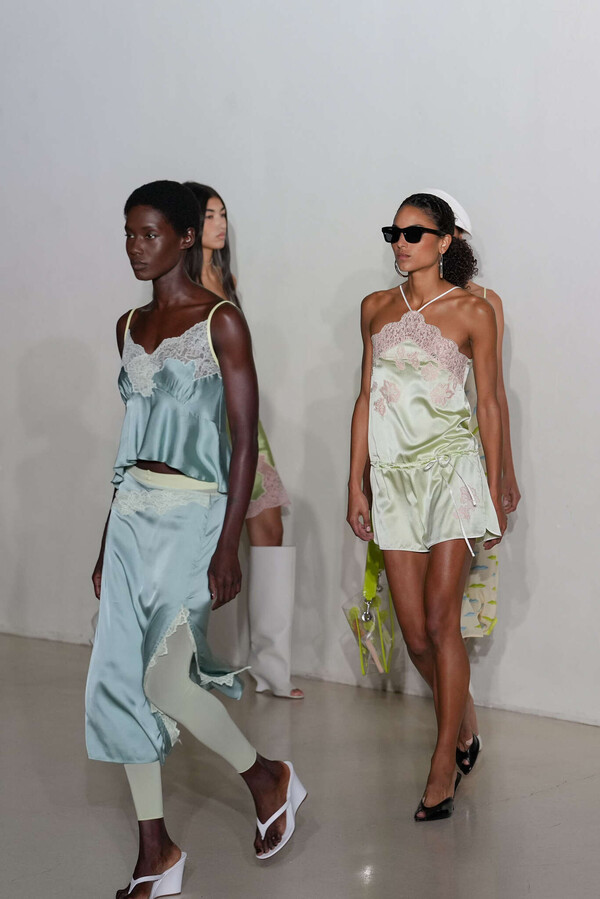
The collection moved with the cadence of a choreography, building in intensity as the piano’s score swelled. Vaillant has always possessed a particular fluency in the language of lace and mesh, but here, those fabrics felt less like decorative choices and more like a second skin. There is an inherent duality in the life of a dancer—the brutal strength required to project an image of effortless fragility—and that tension was the collection’s heartbeat. Technical, athletic fabrics were cut against romantic satins, creating a wardrobe for a woman who is simultaneously guarded and exposed.
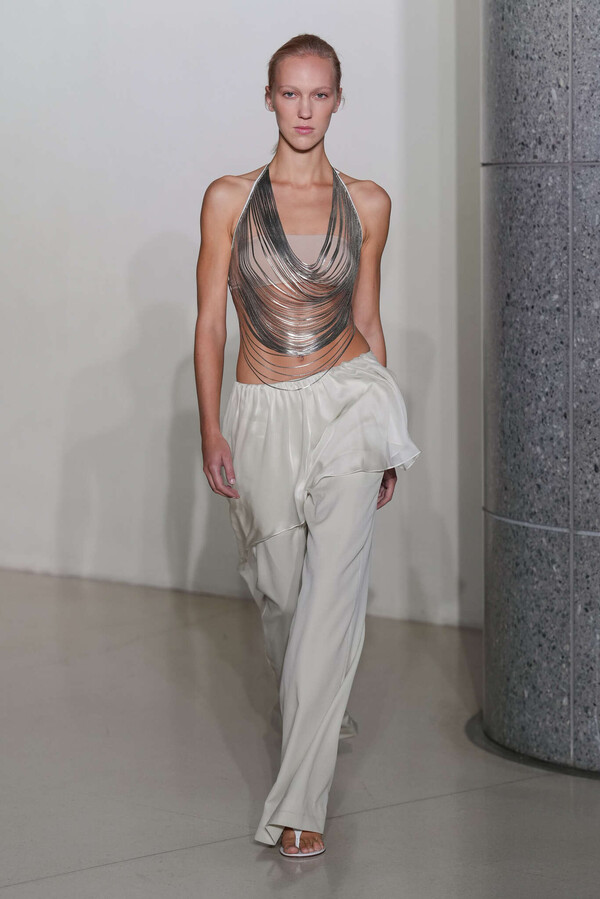
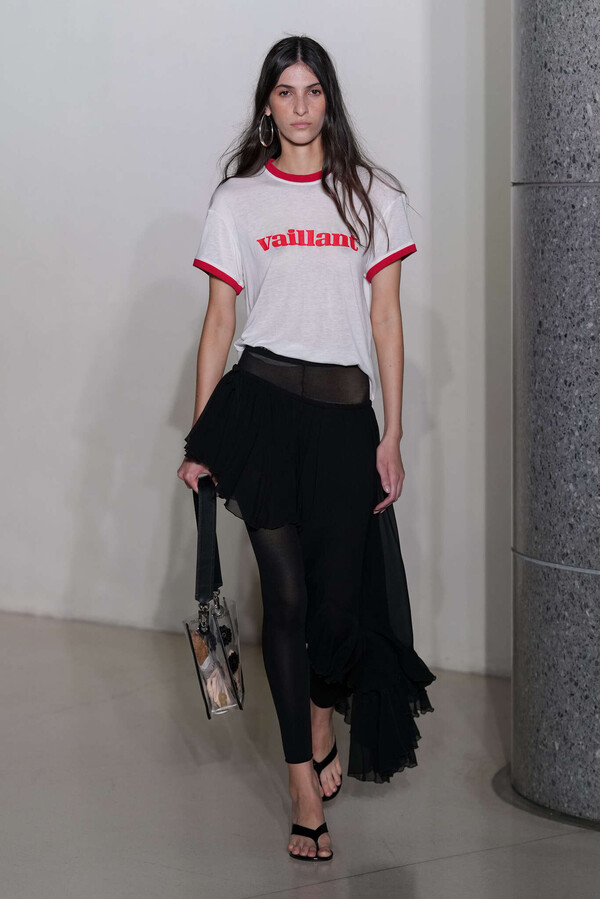
This season’s most compelling narrative thread was a collaboration with Chantelle. In a market often saturated with superficial brand partnerships, this felt like a genuine fusion of heritages. The French lingerie house’s expertise allowed Vaillant to treat underpinnings as architectural essentials rather than afterthoughts. Silk bodysuits and triangle bras weren’t hidden; they were the foundation of the look, peeking through sheer layers or anchoring high-waisted tailored trousers. It was a sophisticated subversion of the “innerwear as outerwear” trend, rendered with a French sensibility that prioritized elegance over shock value.
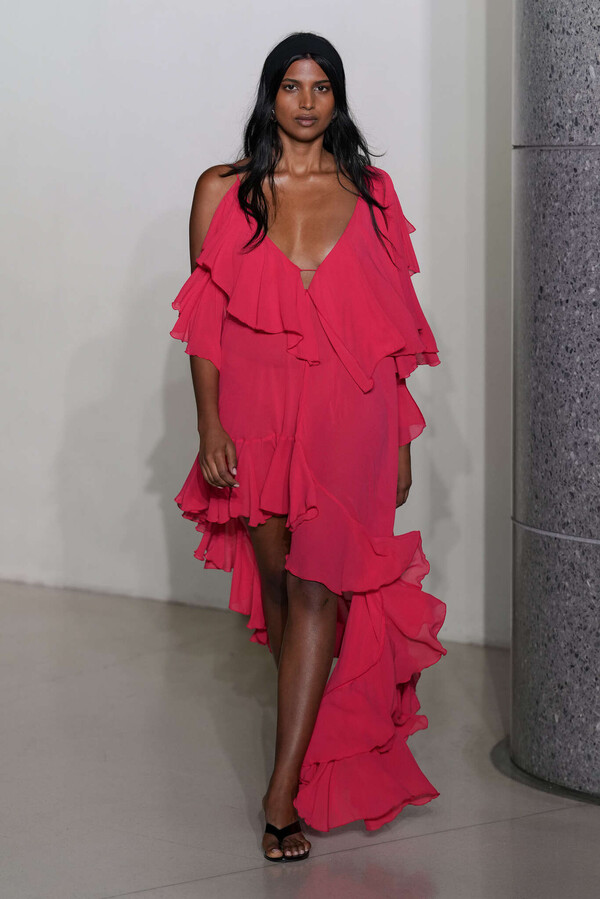
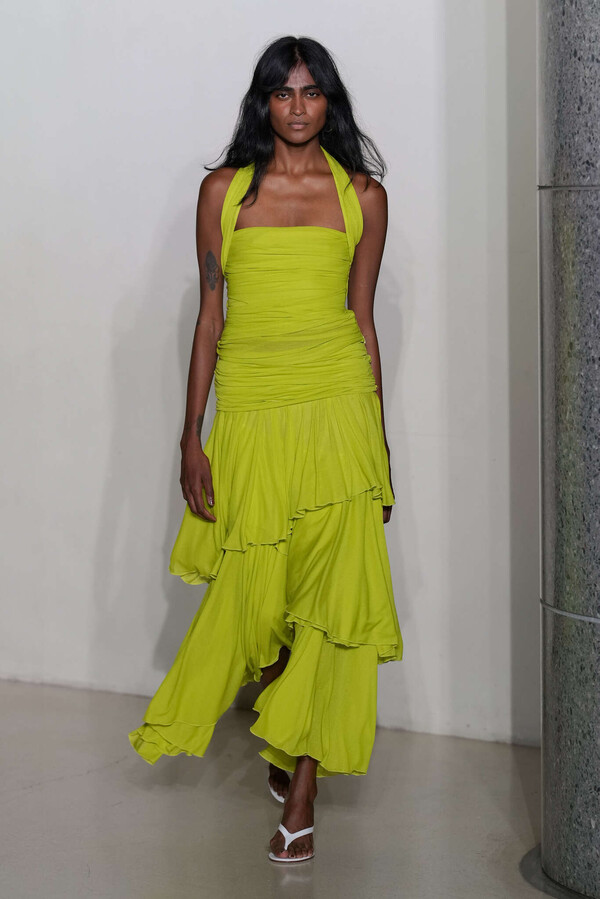
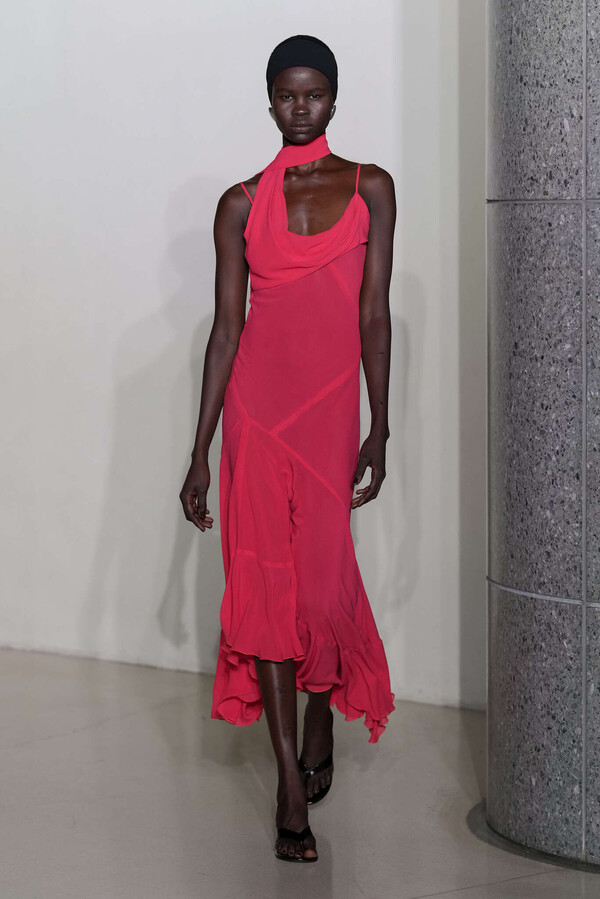
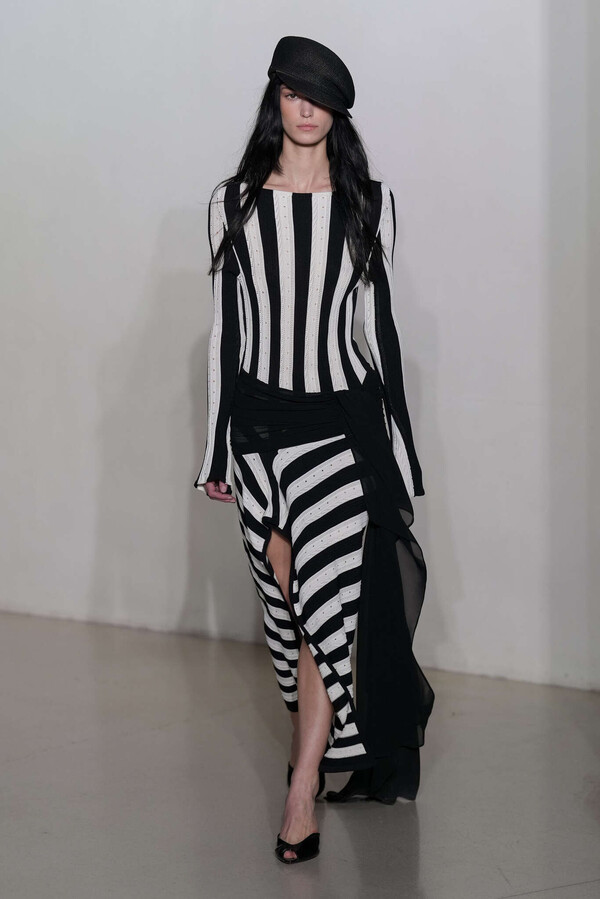
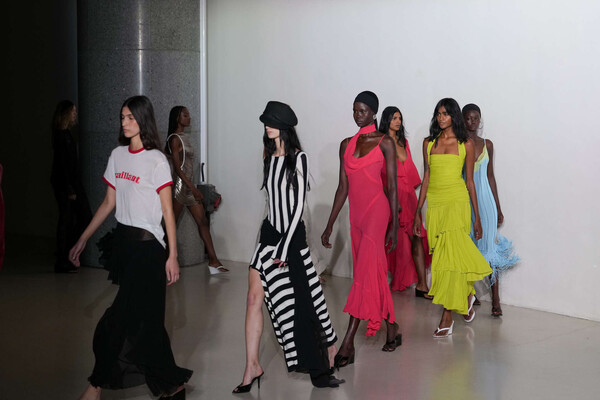
As the models navigated the semi-circular stage, the clothes seemed to breathe with them. Fluid jersey skirts caught the air, while structured satin bodices provided a sculptural contrast, mimicking the way a costume supports a body in motion. While Vaillant occasionally leaned on her well-documented love of transparency, the collection found its most resonant notes when it embraced a more pragmatic, athletic edge. High-slit skirts and stretch textiles interrupted the ethereal romance, grounding the collection in a modern, urban reality.
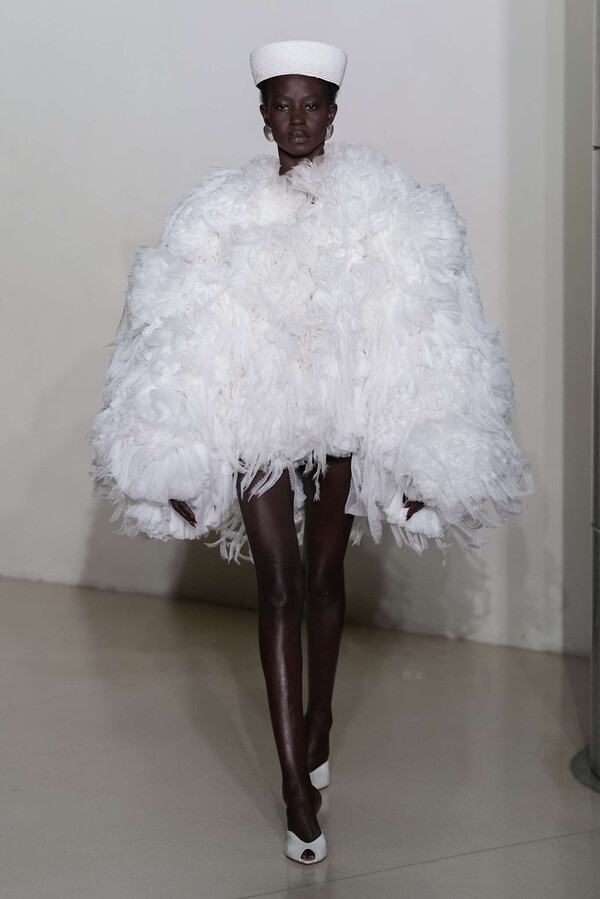
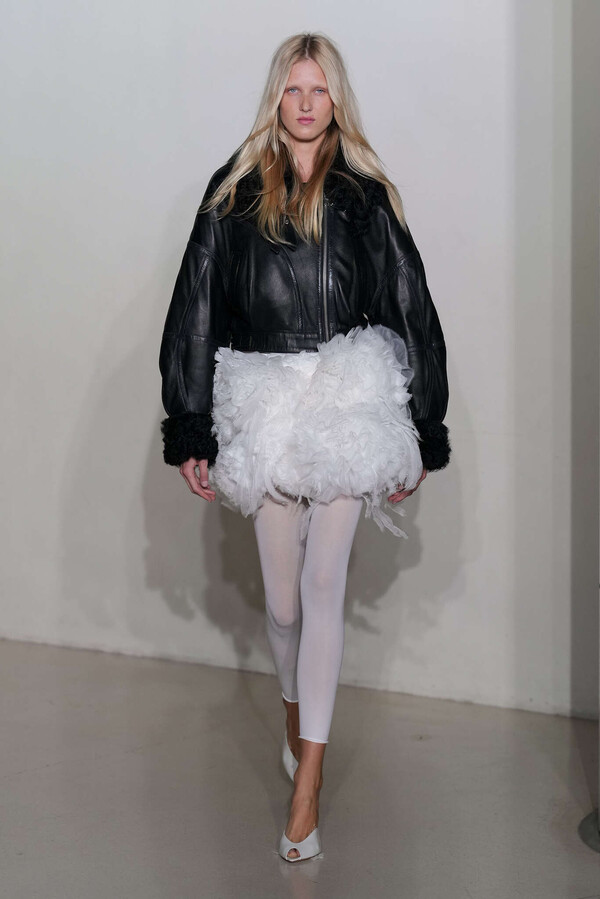
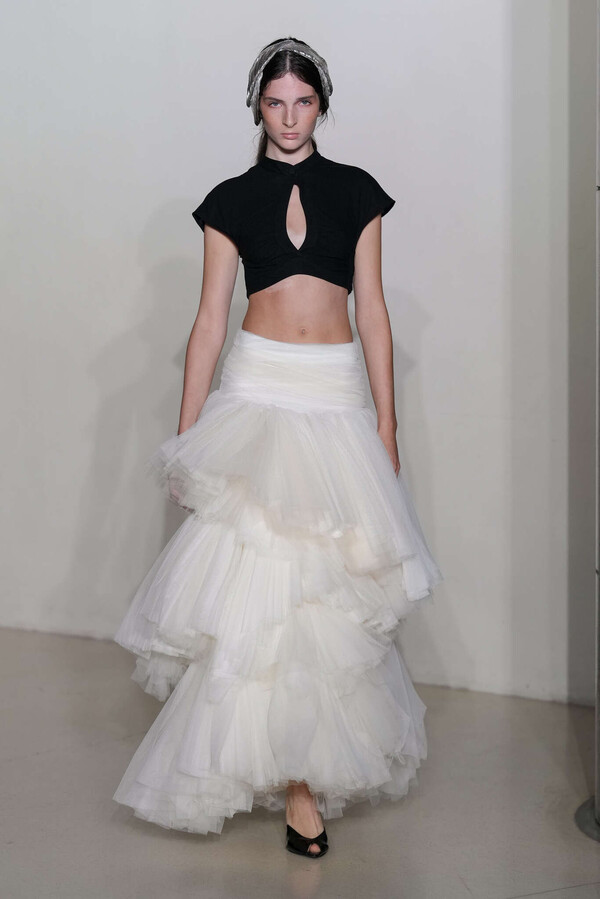
The finale served as the ultimate bridge between her two lives: a contemporary reimagining of the tutu that managed to feel entirely devoid of costume-drama cliché. It was a confident, refined statement of intent. By returning to the Opéra, Vaillant didn’t just showcase a new range of garments; she reconciled her past with her present. She proved that while she may have hung up her pointe shoes, the discipline, the drama, and the vulnerability of the stage remain the guiding forces of her needle and thread.
All images courtsey of Vaillant studio