DIOR AW26: THE IMPRESSIONIST GARDEN By Fashion Week Reporters | Paris, March 2026
March in Paris. An unseasonable warmth.
The Jardin des Tuileries has witnessed centuries of spectacle — coronations staged in proxy, revolutions swallowed whole, empires dissolved into cobblestone. On Tuesday afternoon, it bore witness to something altogether more intimate: Jonathan Anderson’s sophomore womenswear statement for the house of Dior. The Grande Bassin Rond, ordinarily a mirror for storm-grey skies, had been reimagined as a luminous lagoon — lily pads drifting across its surface, their petals trembling beneath the unexpected glare of a Mediterranean-defying sun.
The guests — among them Anya Taylor-Joy, Jisoo, Willow Smith, Priyanka Chopra Jonas, Alexa Chung, and Charlize Theron — fanned themselves discreetly behind the programmes. The temperature inside the glass atrium erected along the water’s edge had become almost oppressive, a greenhouse sealed against reason. And yet, the discomfort felt intended — as though Anderson had choreographed even the climate, demanding full presence from his audience.
The collection carried a single, unspoken thesis: that femininity is never finished.
Anderson has spent his short tenure at Dior dismantling the house mythology only to reconstruct it — softer, stranger, more honest. For AW26, he leaned into a specific historical seam: the Bar jacket, the architectural emblem of Dior’s 1947 New Look, reinterpreted through a lens of wearability and gentle irreverence. Pastel knits with fluted peplums. Frock coats with rippling fronts. The corseted exterior loosened into something altogether more alive.
The opening look — a deconstructed Bar jacket silhouette in pale pewter duchesse satin, its seams deliberately visible, its hem asymmetrically raw — announced the central paradox immediately. This was couture logic applied to ready-to-wear desire. Refinement and refusal, hand in hand.
What followed was a collection of remarkable tonal restraint. The palette moved through the spectrum of a winter garden at dusk: muted celadon, tarnished champagne, the bruised violet of dried lavender, warm charcoal anchored by sudden, deliberate flashes of lacquer red. Nothing shrieked. Everything resonated.
The silhouette was architectural but never rigid.
Anderson sculpted the shoulder differently this season — rounding it, softening the aggressive geometry that has dominated recent collections across the industry. His jackets fell longer, their proportions borrowed from frock coats and riding habits, but modernised through generous volume in the sleeve and a particular attention to how fabric falls rather than how it stands. Worn open over wide-leg trousers in habutai silk, they moved with the carelessness of morning robes — clothes that suggest a woman dressed for herself first.
The skirts were a revelation. Tiered constructions in silk organza and gingham alternated with lean column silhouettes in double-faced wool. Several arrived with subtle volume — not the theatrical exaggeration of recent baroque revivals, but a whispered conversation with the Bar suit’s original vocabulary. Volume that implies, rather than insists.
Knitwear appeared as counterweight: dense, tactile, almost medieval in texture, but draped with the ease of a shawl. A cabled turtleneck layered beneath a transparent organza skirt became one of the most effortlessly wearable moments in recent Dior memory. Warmth, fragility, contradiction — dressed in a single look.
The references were worn lightly, which made them more powerful.
References in fashion are only interesting when they’re absorbed rather than quoted. Anderson absorbed. The shadow of Christian Dior’s Corolle line fell across the collection without turning it nostalgic — these clothes did not want to live in 1947. They wanted to walk to dinner in 2026 with authority. Chantilly lace returned not as decoration but as structure, its patterns echoed in laser-cut neoprene, its delicacy translated into something altogether more contemporary. A Bar jacket in ivory silk faille, reimagined with abbreviated proportions and layered over embroidered mini-crinis, wore its history with pride and without apology.
Embroidery — always a Dior signature — reached a new pitch of ambition. Wildflower and floral motifs cascaded across a black velvet coat, their execution so precise and dense as to be almost hallucinatory up close. A cream crêpe midi dress bore a single embroidered motif along the hem: a pomegranate, split open, seeds glistening in French knots. Symbolic, lush, oddly affecting.
Then, quietly, the pragmatic entered.
No serious collection today exists without it — the acknowledgment that beautiful clothes must also live. A series of looks mid-show loosened the rhetoric considerably: straight-cut trousers in a fine Prince of Wales check worn with a simple cashmere crewneck and a single statement belt; a fluid wrap coat in camel wool that asked nothing of its wearer except movement; tailored shirt-dresses in silk charmeuse that recalled the ease of the wrap dress while retaining a structural backbone. Entry points, dressed as equal partners to the spectacle.
It was, in the best sense, a democratic gesture. Anderson has always understood that fashion’s power lies not in its exclusivity but in its aspiration — the way a perfectly weighted sleeve or an unexpected fabric choice can shift the way a woman carries herself through an ordinary afternoon. These quieter pieces carried that understanding with particular clarity.
As the final model emerged — a long column of pleated ivory silk that caught the light with the simple, devastating grace of water — the applause arrived before the music faded.
Outside, the lily pads drifted on. The sun refused to apologise.
Dior AW26 does not rewrite its own history. It does something more difficult: it makes that history feel inevitable, urgent, alive. In a season crowded with retrospection, Anderson offered something rarer — clothes that understand where they come from, and know, with absolute precision, where they are going.
Magnifique. Et plus encore.
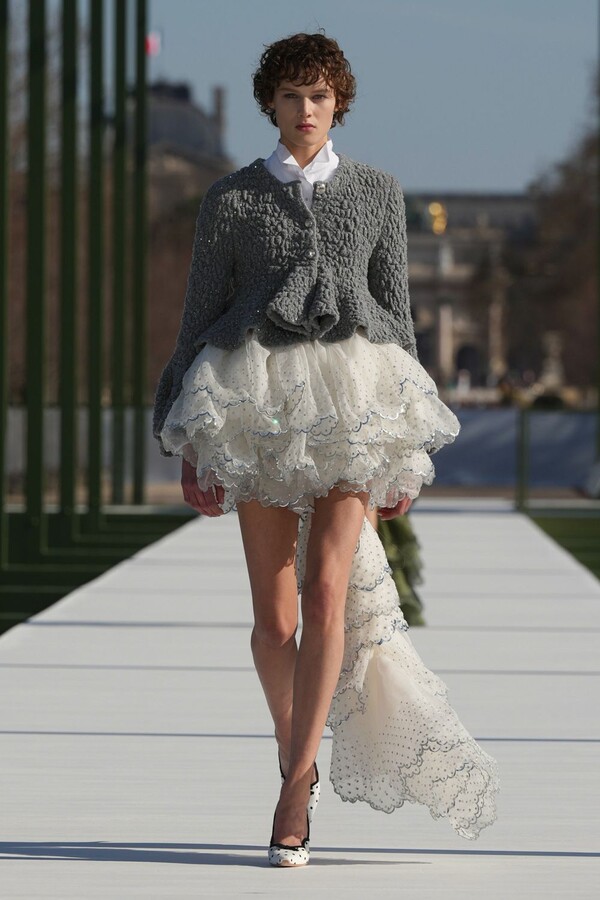
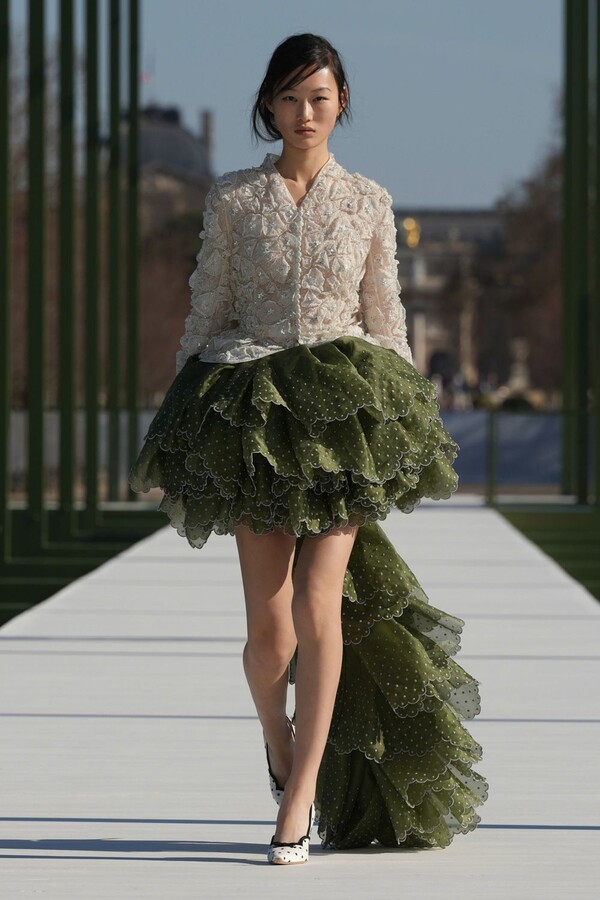
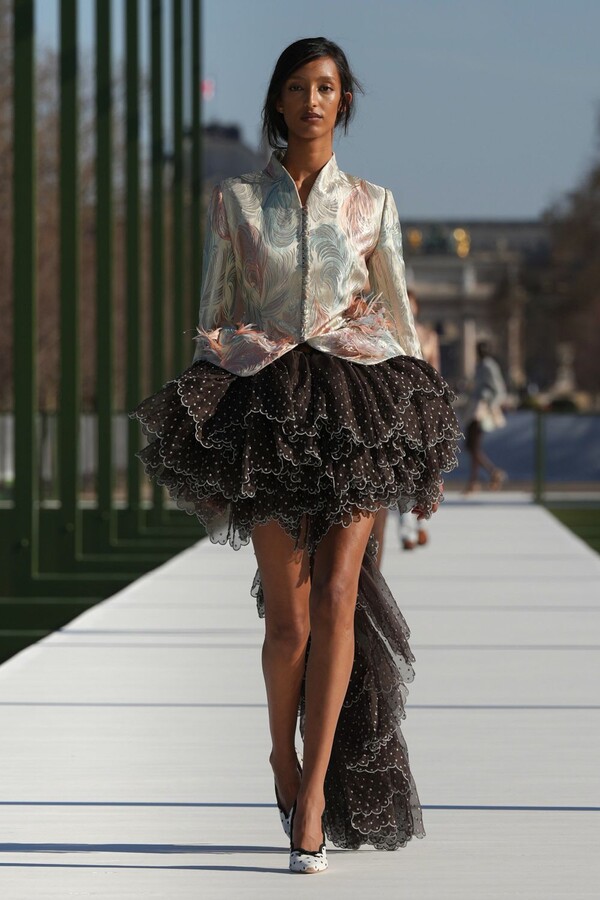
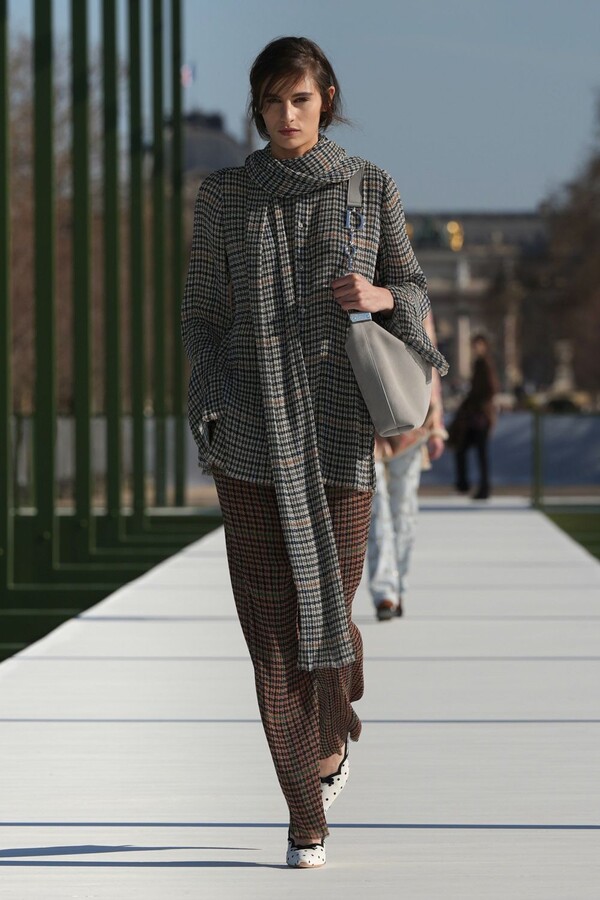
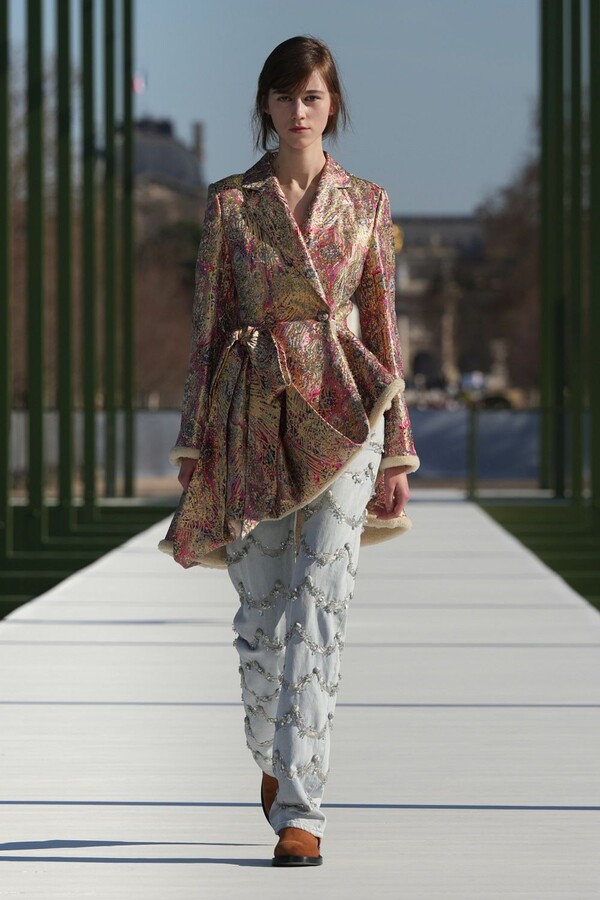
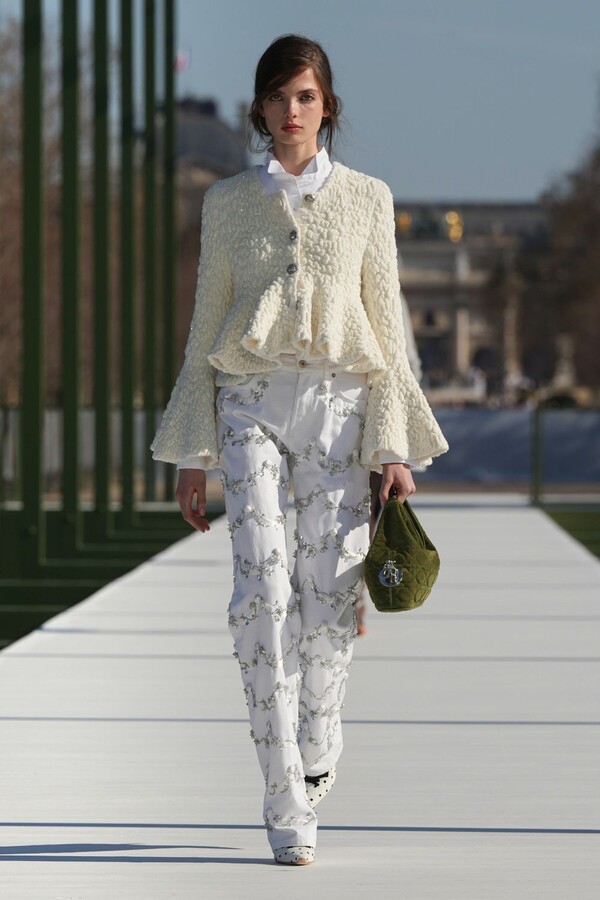
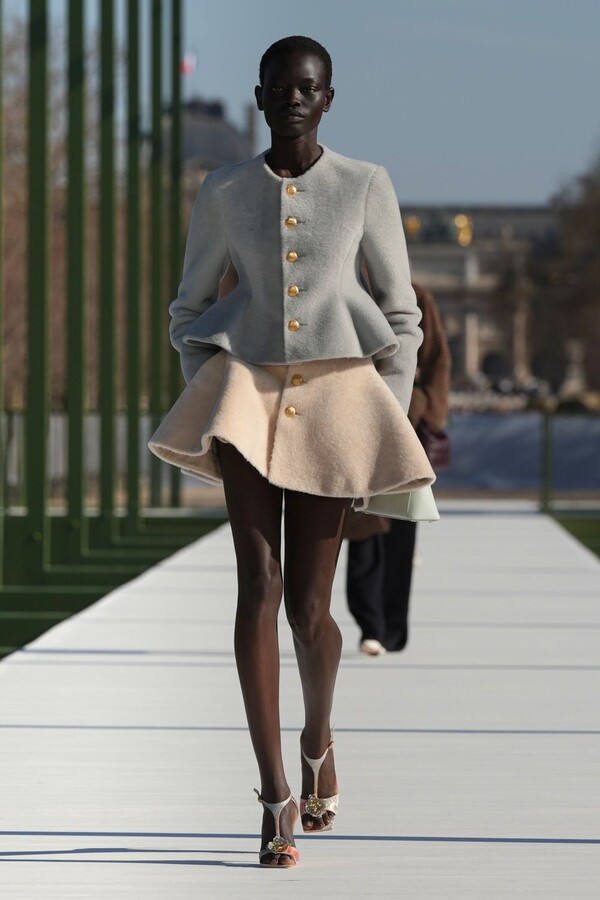
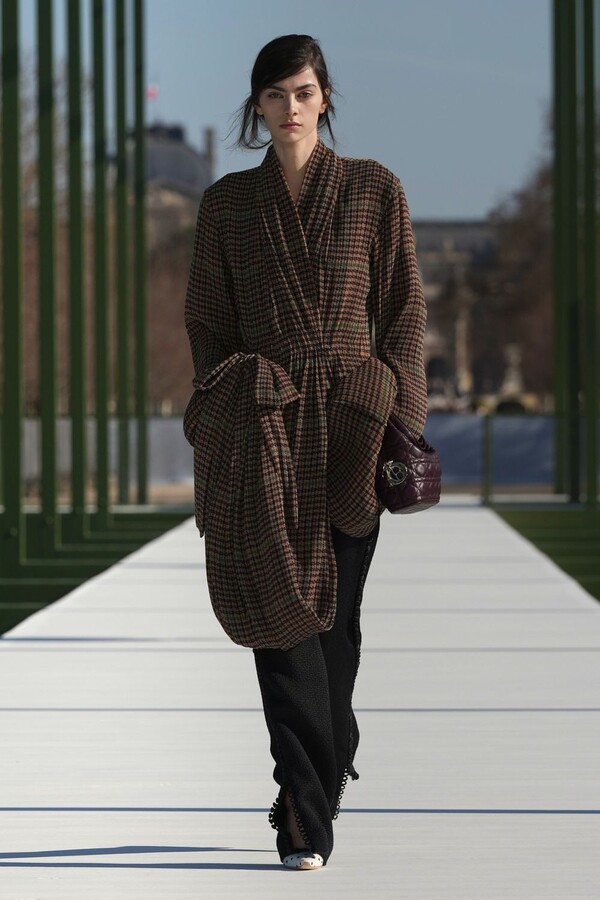
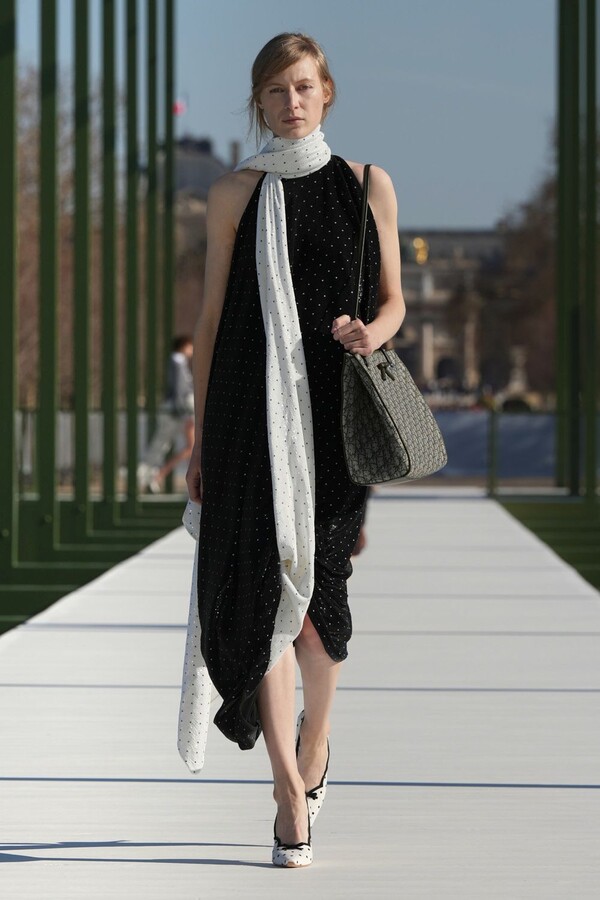
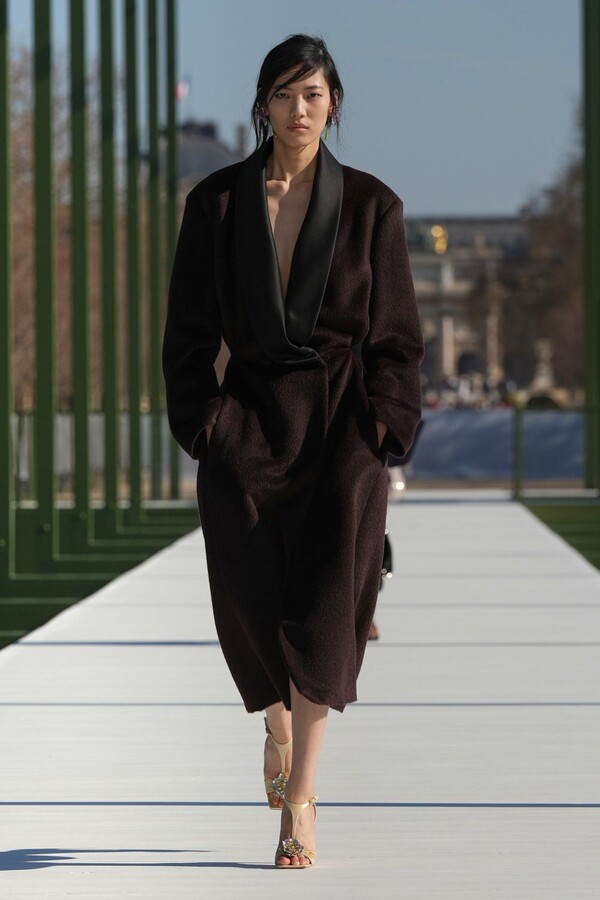
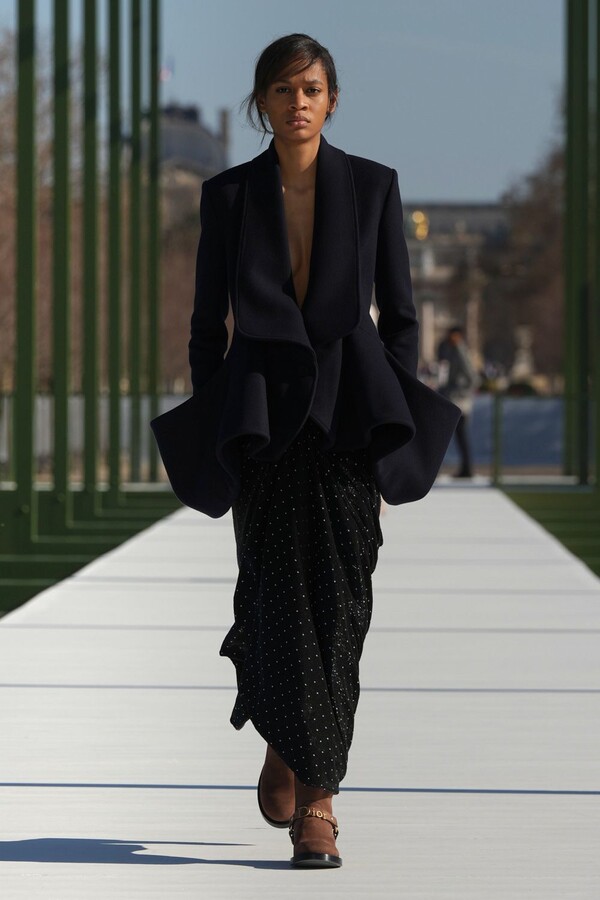
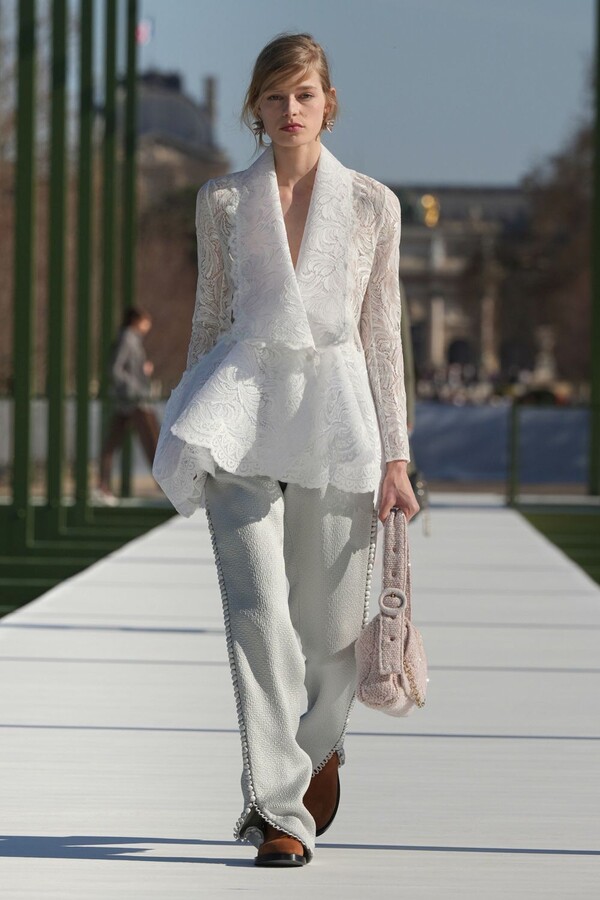
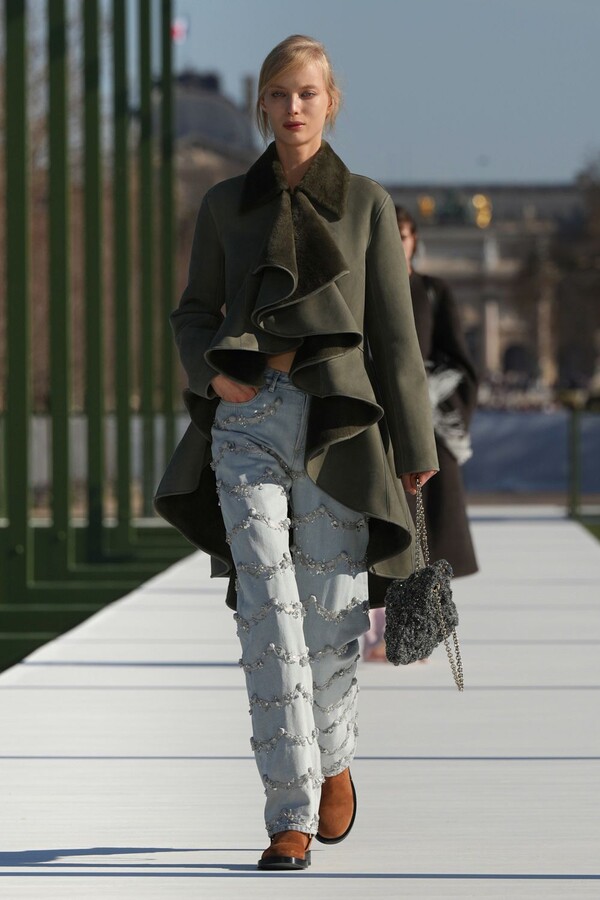
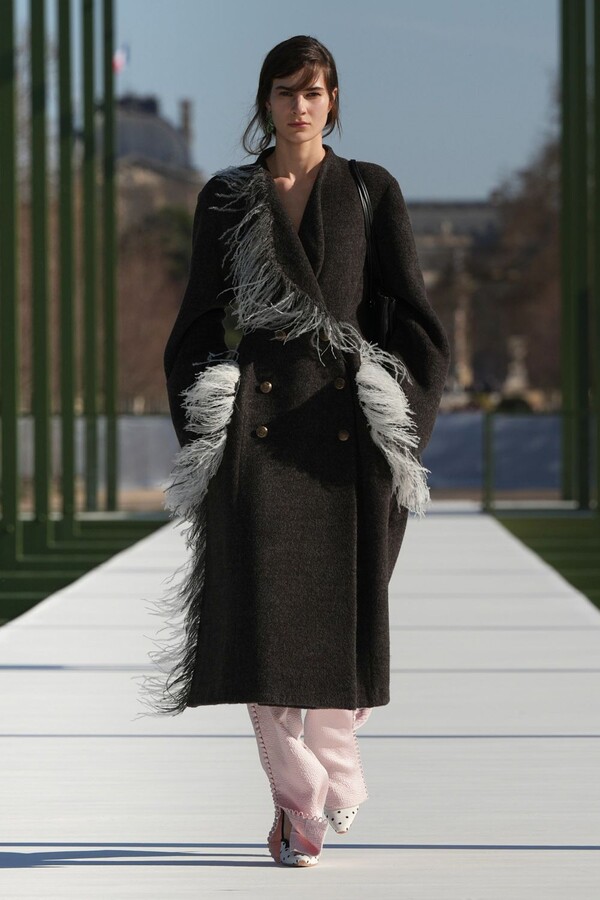
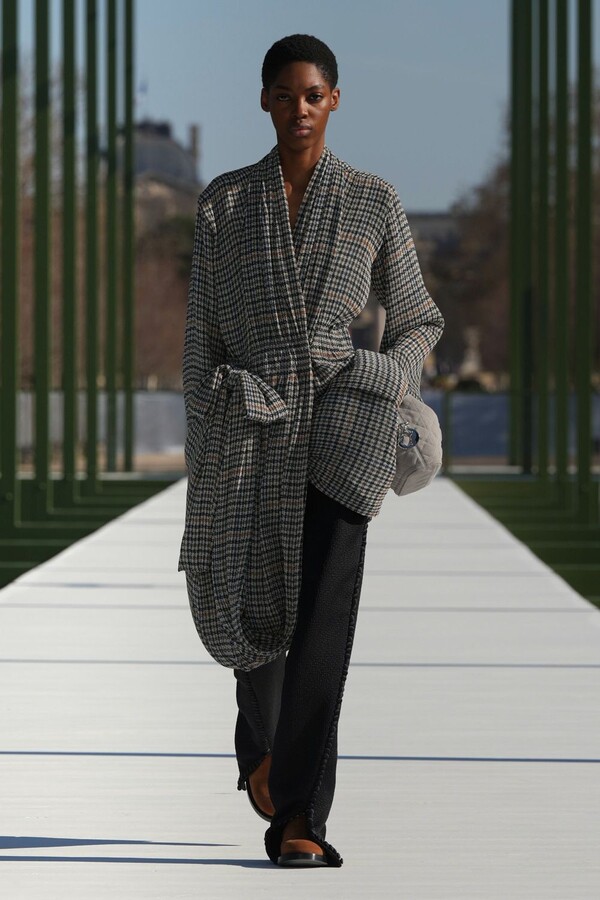
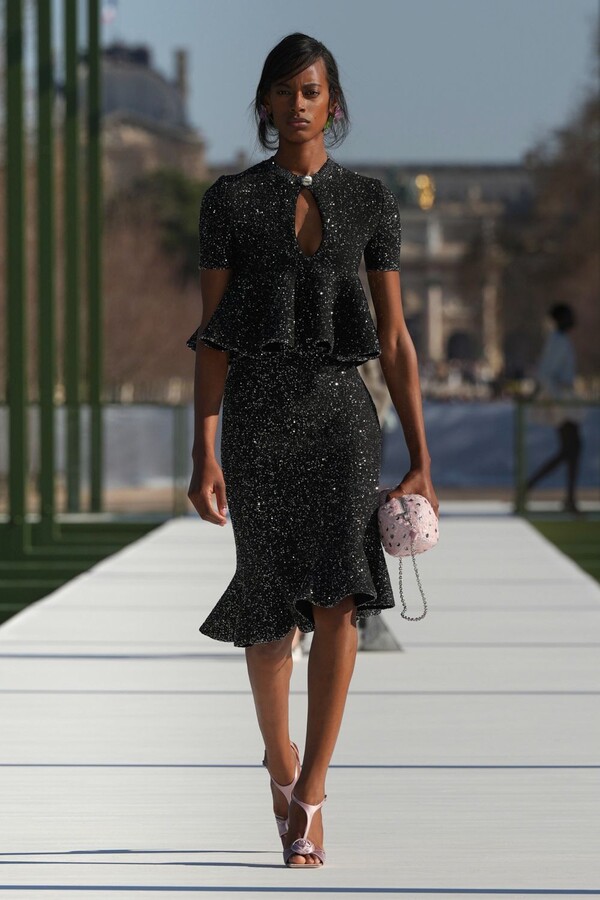
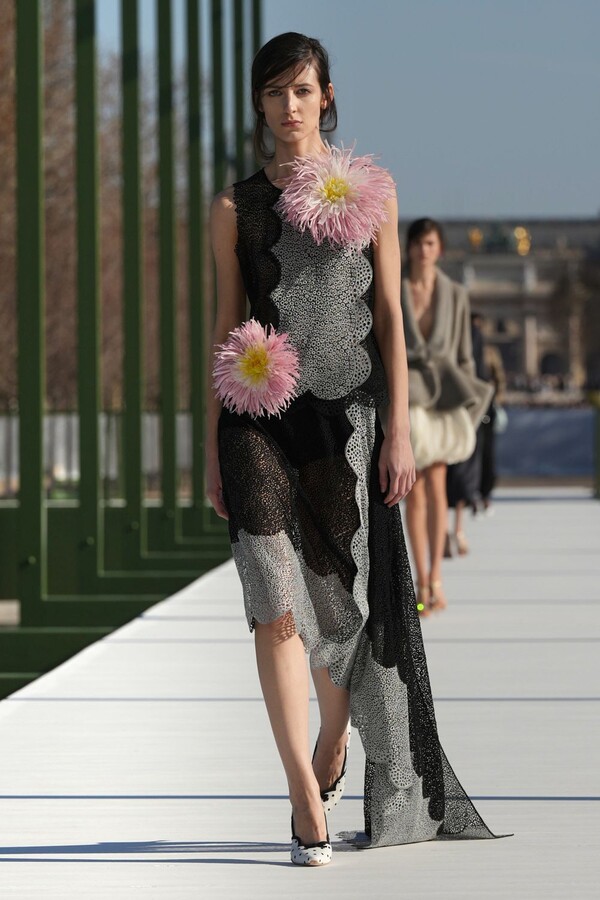
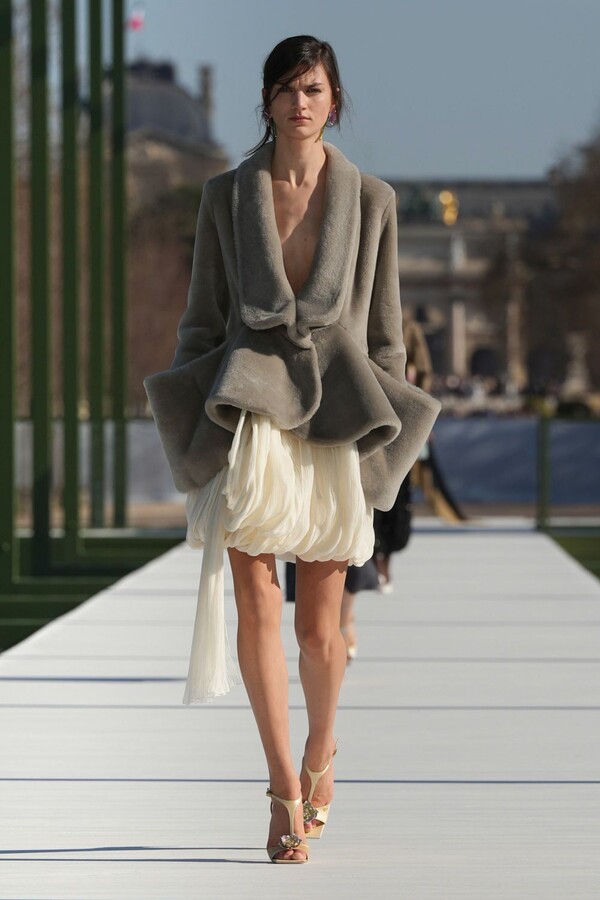
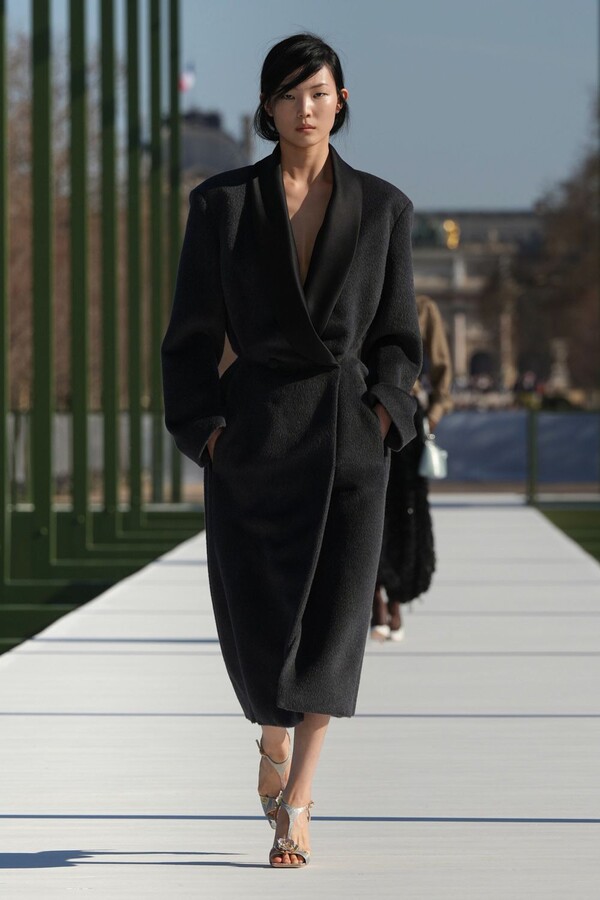
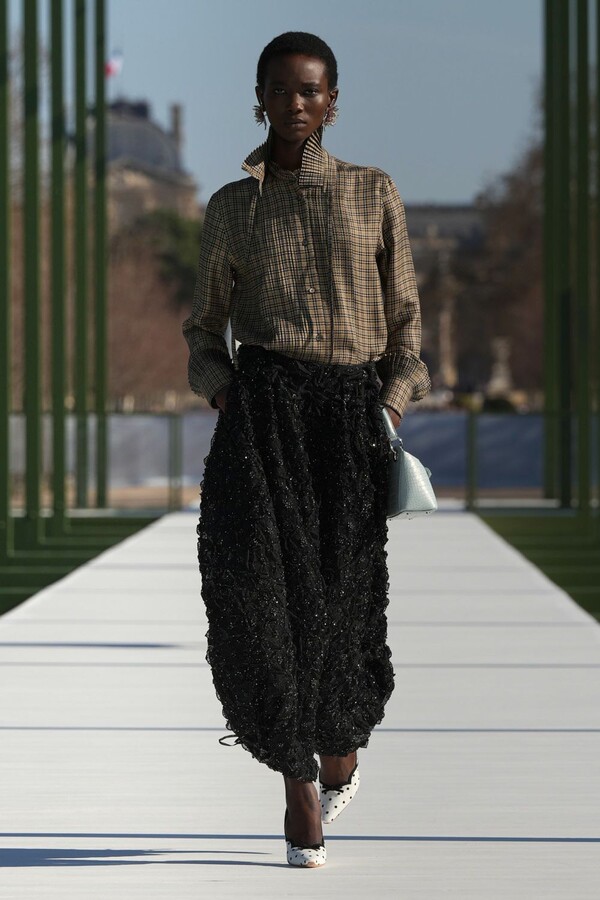
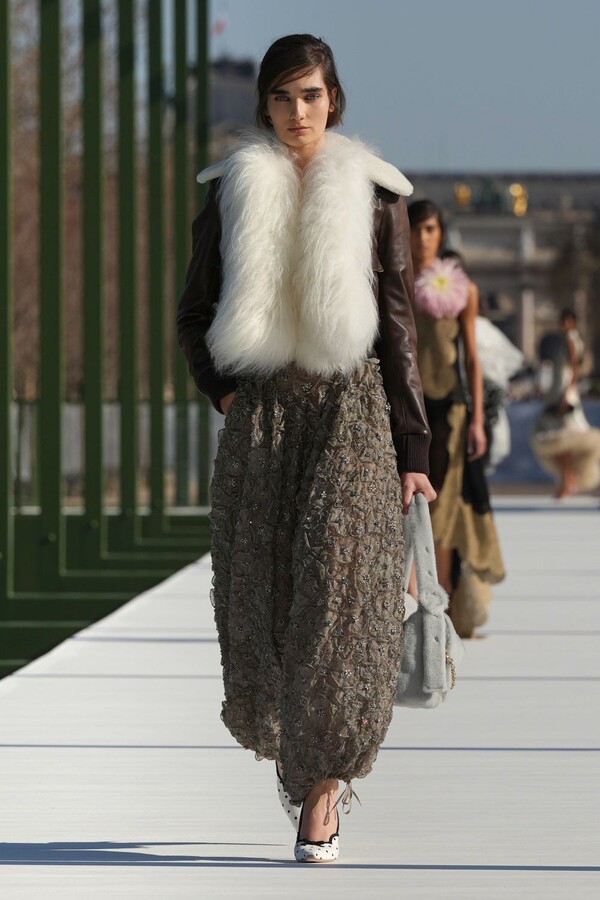
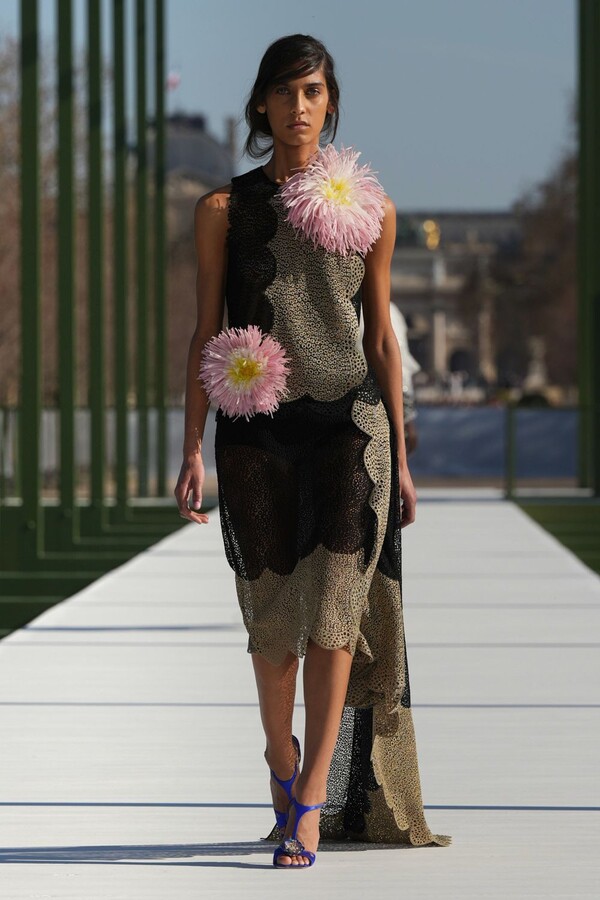
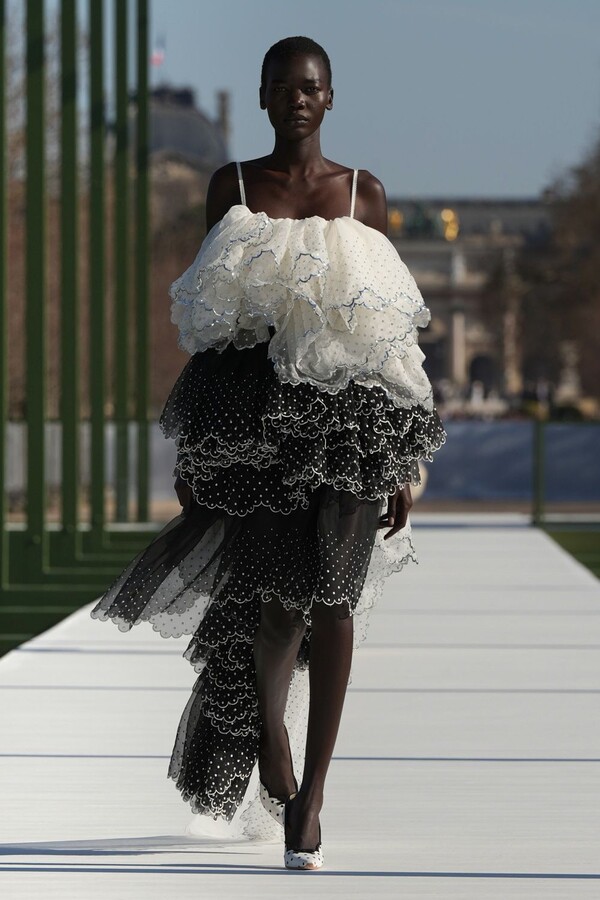
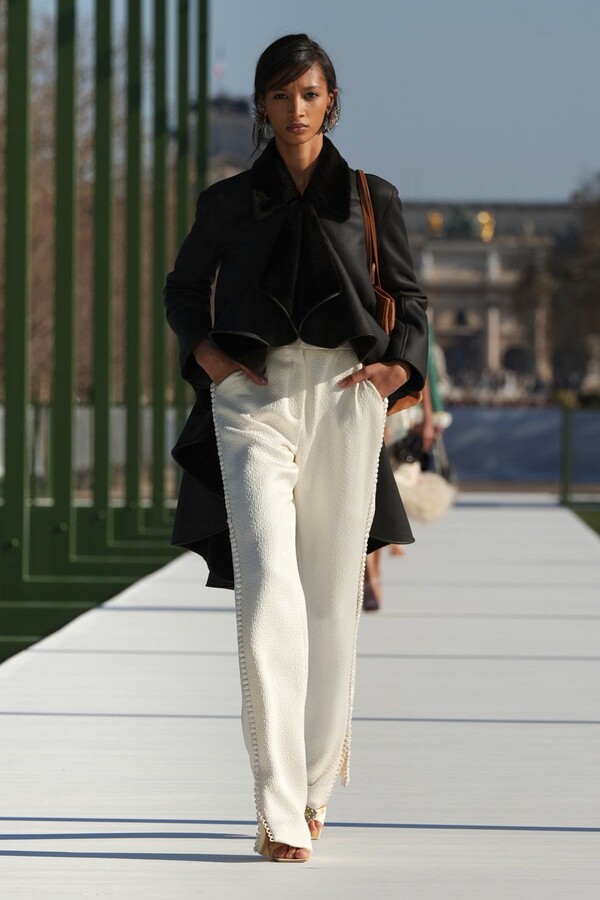
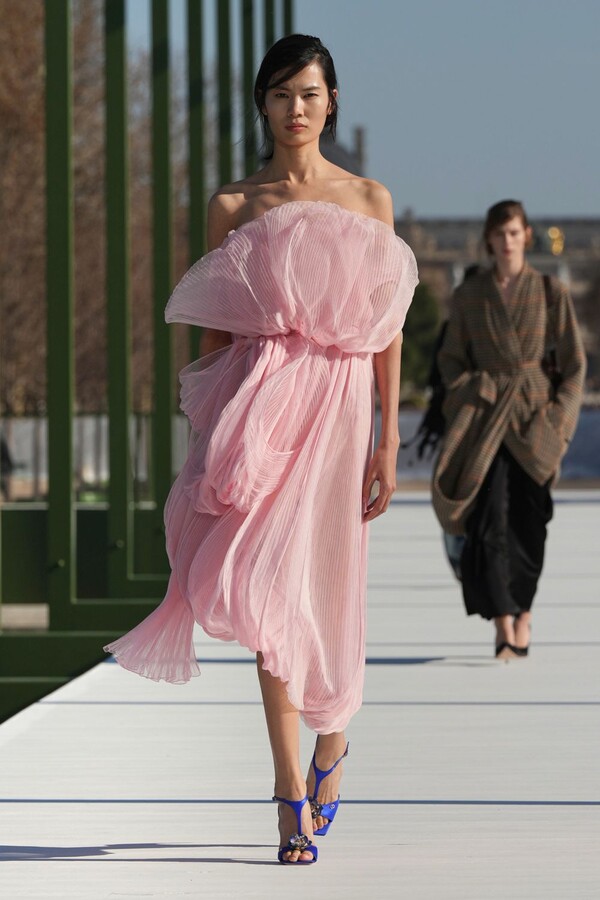
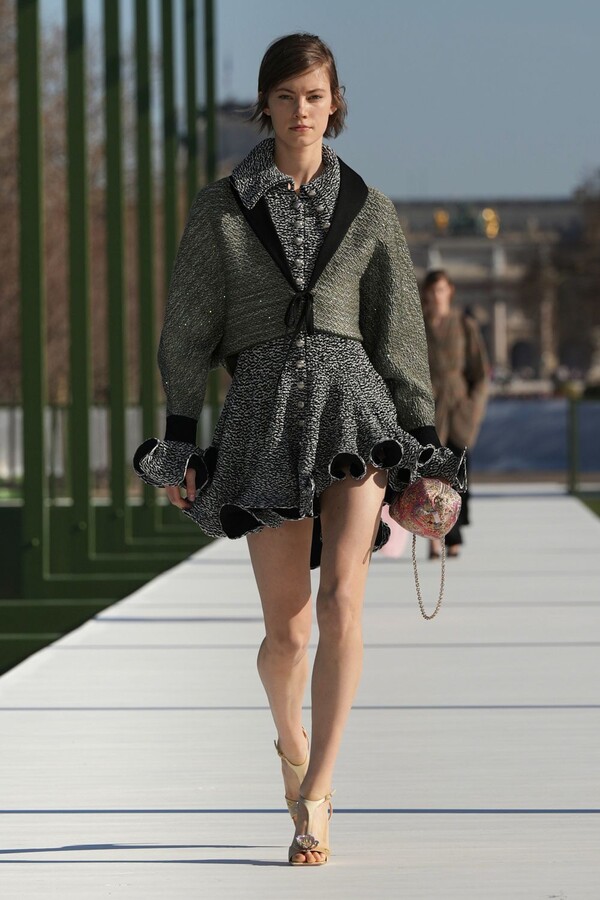
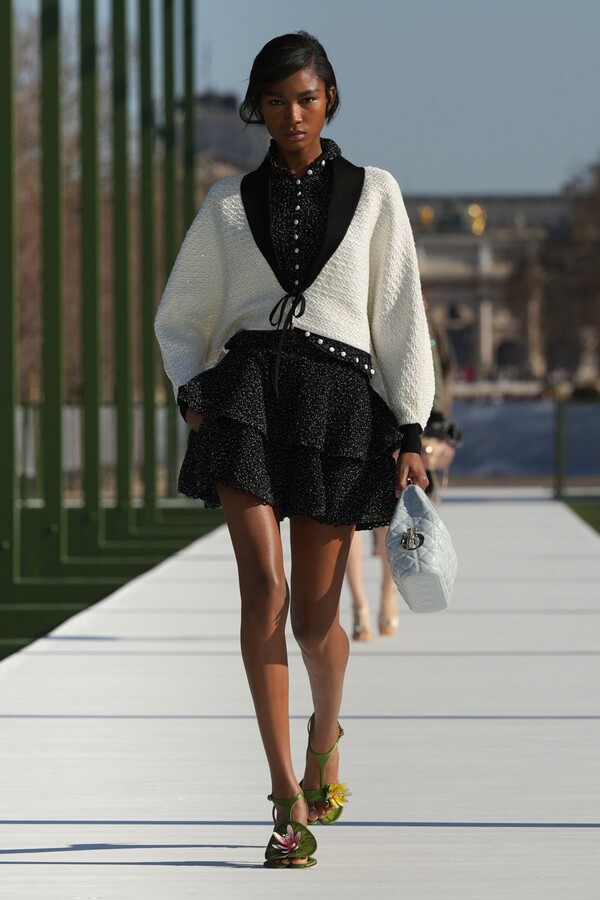
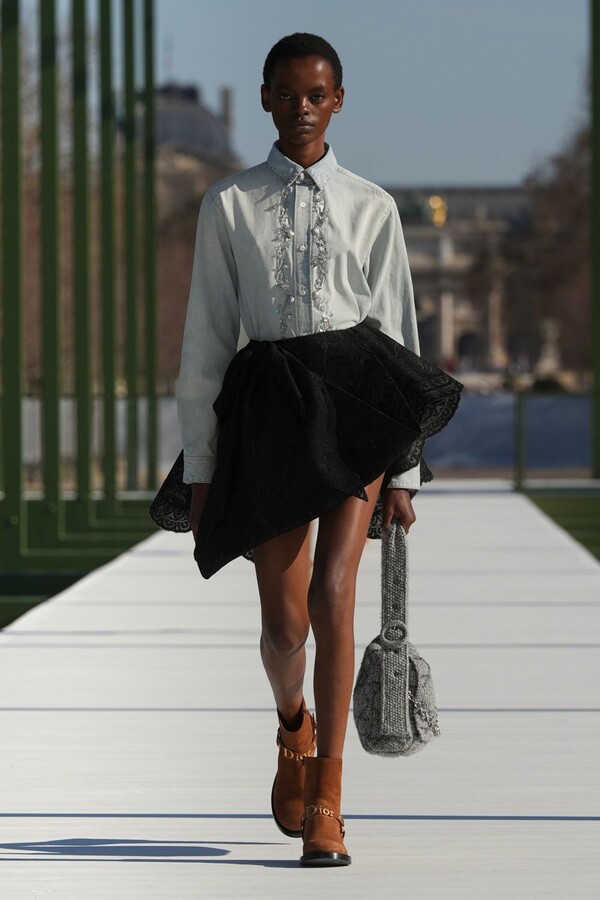
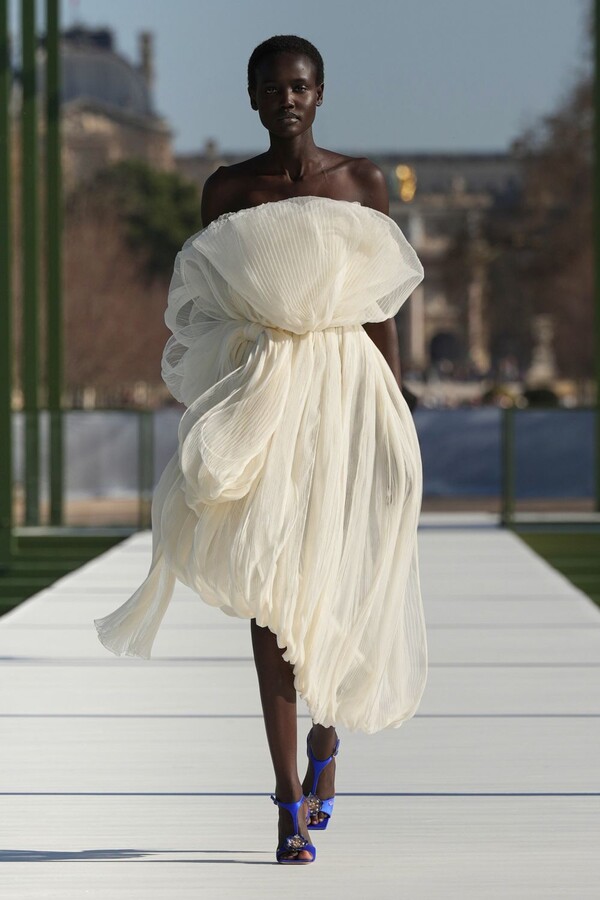
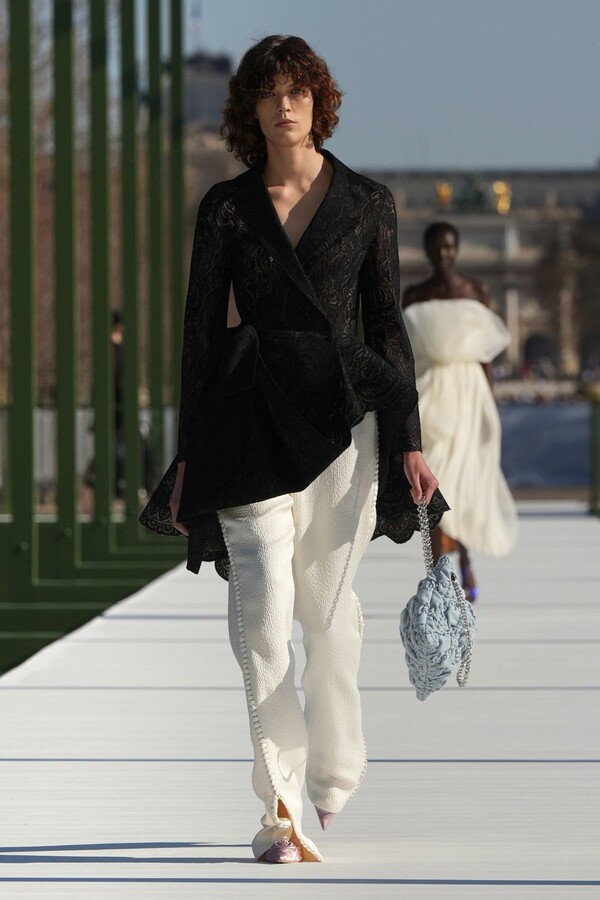
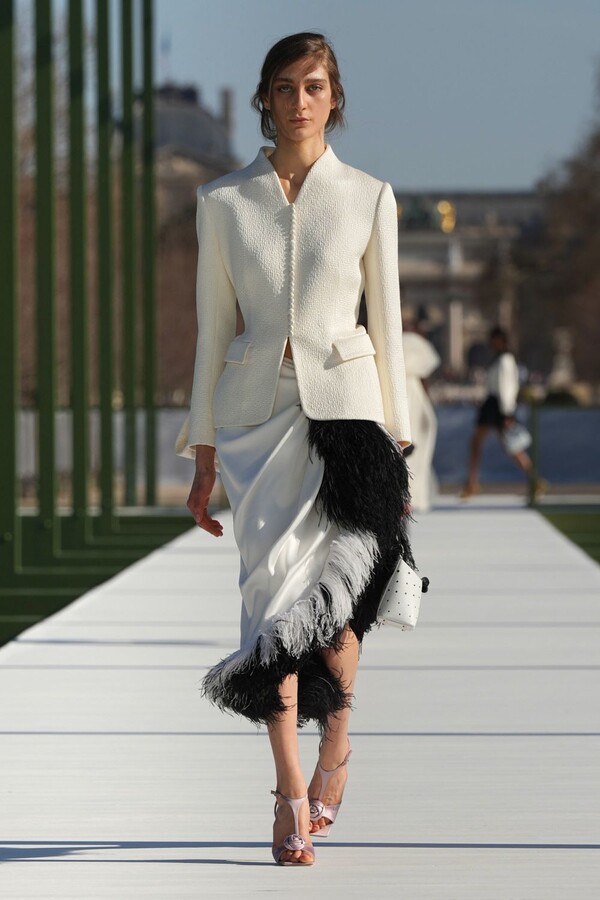
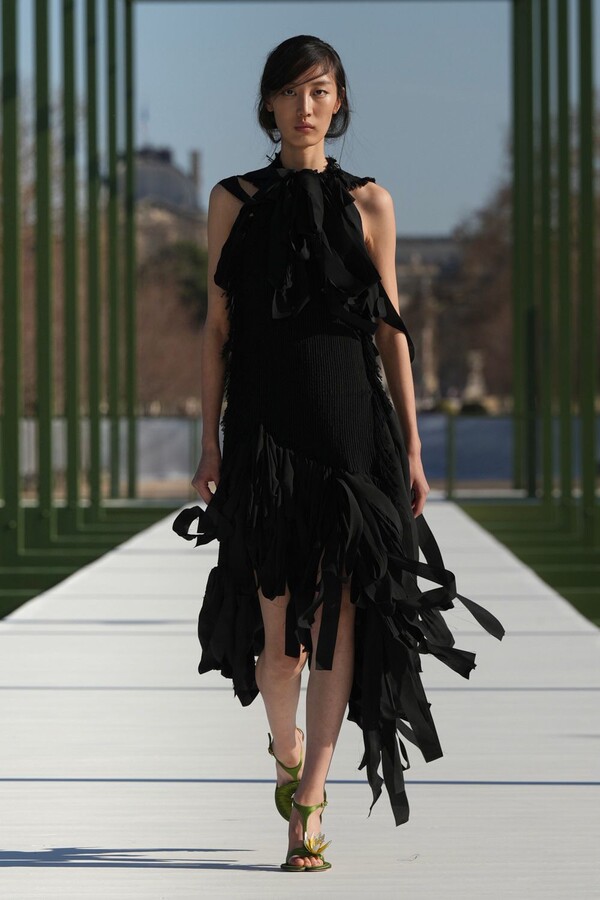
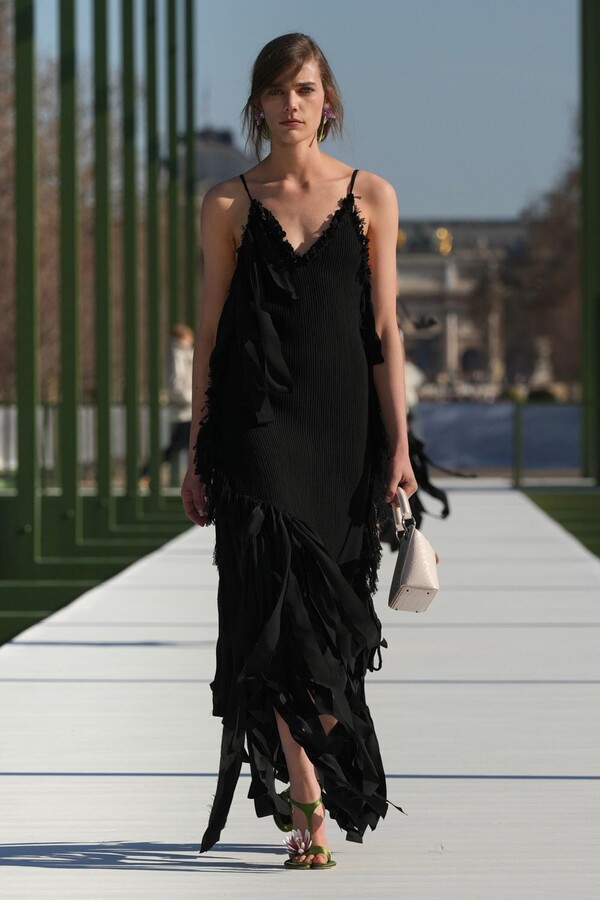
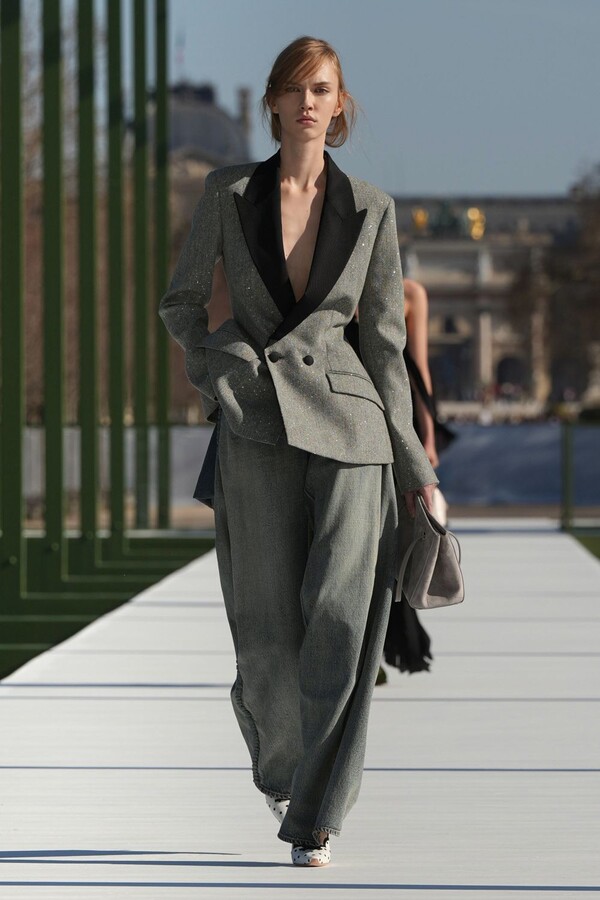
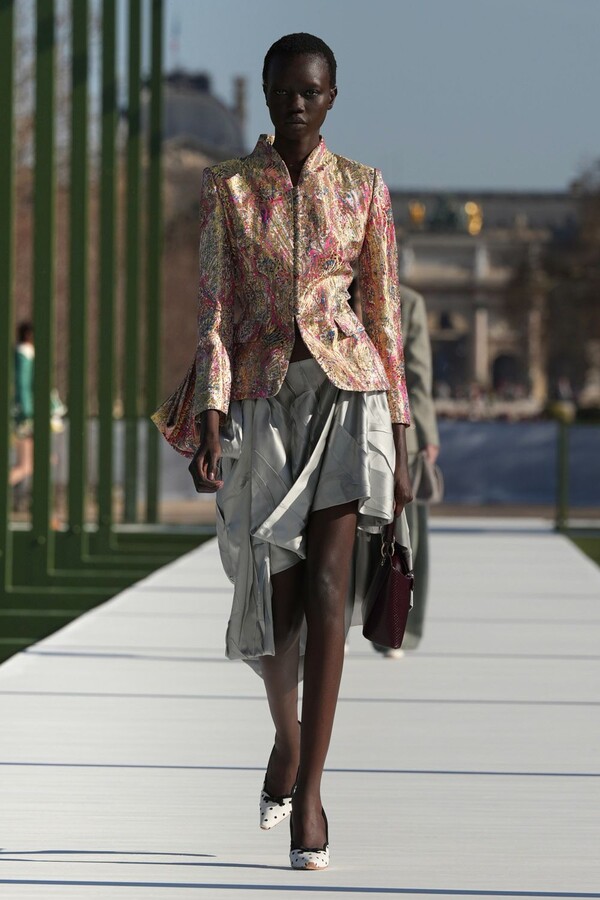
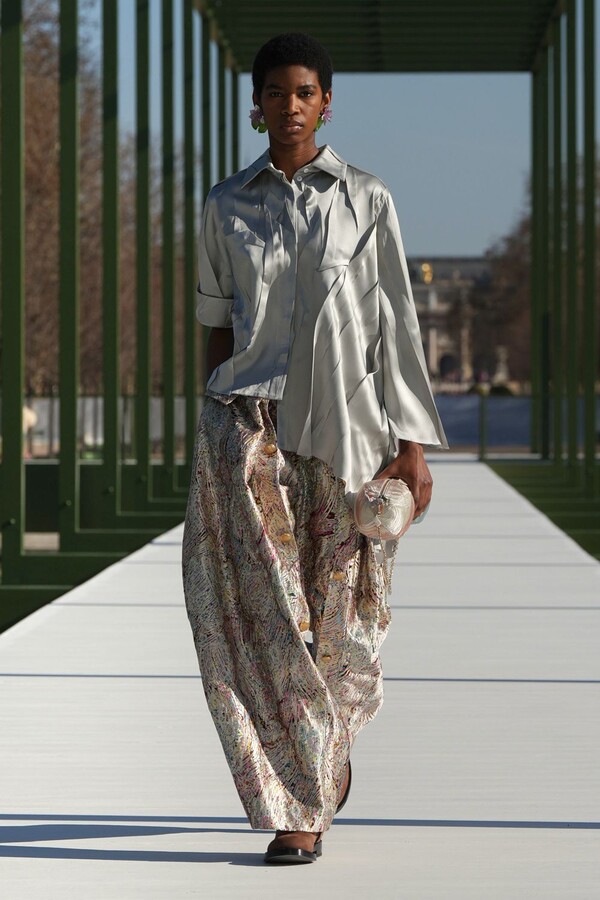
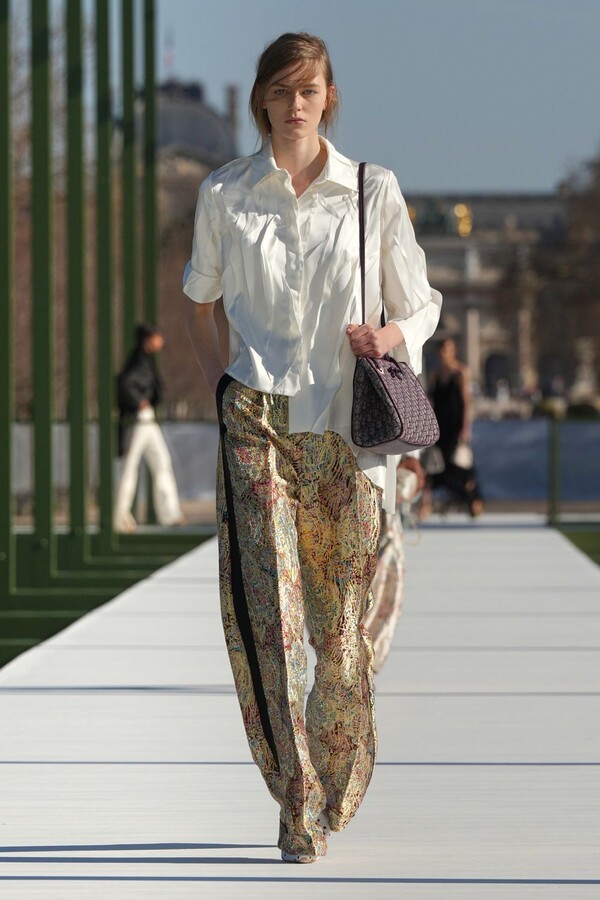
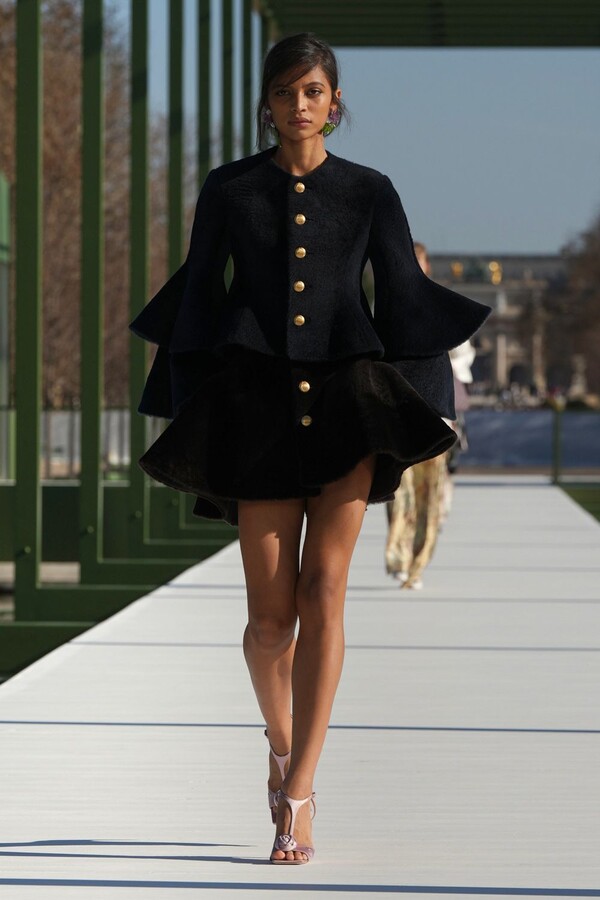
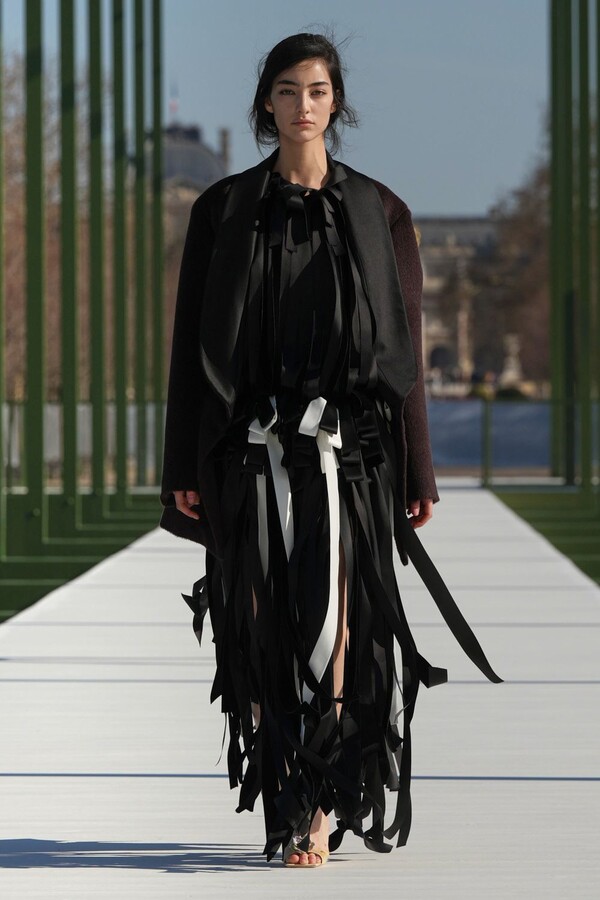
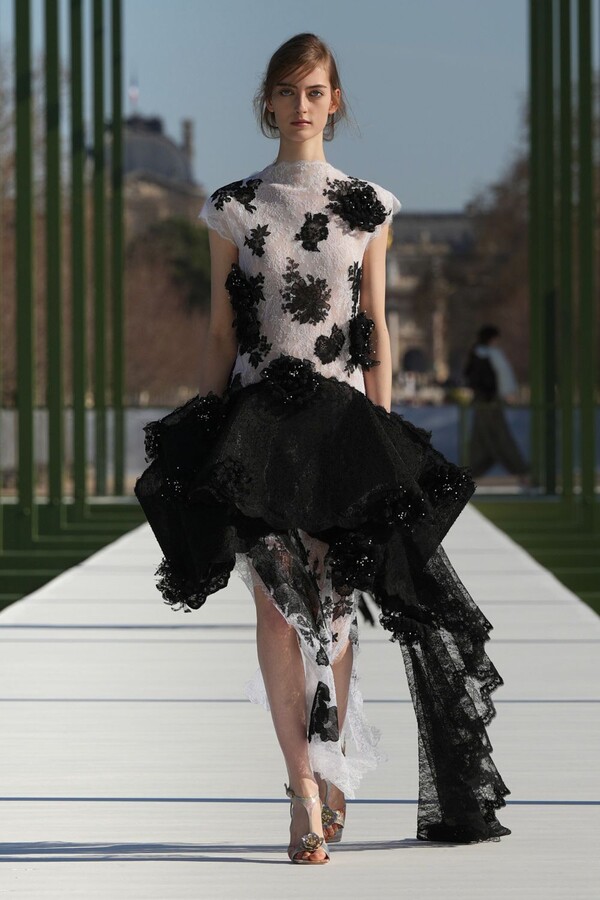
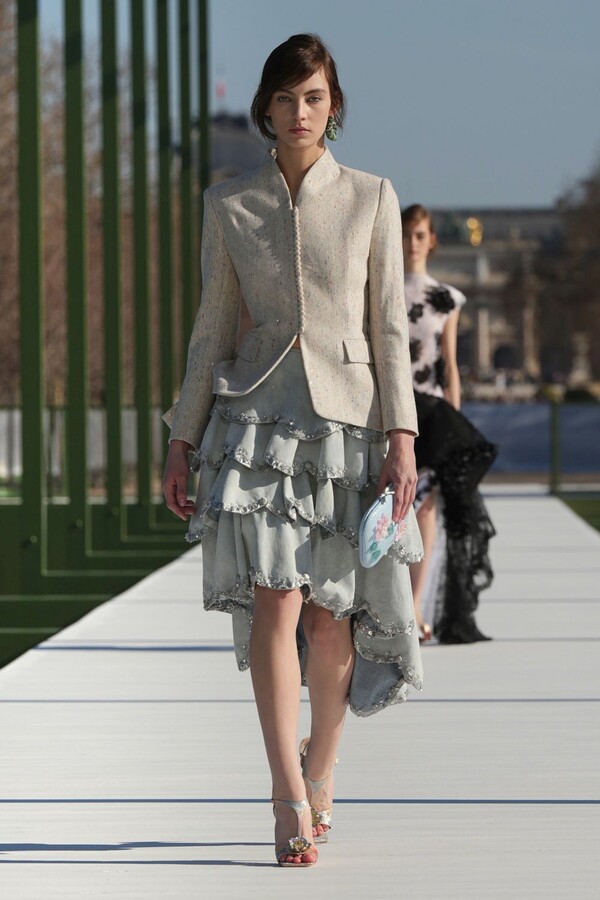
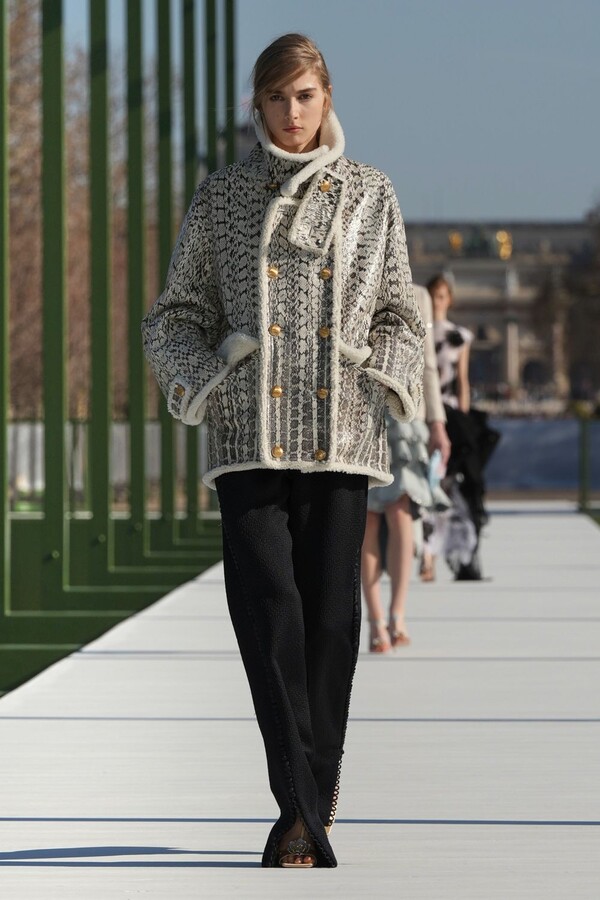
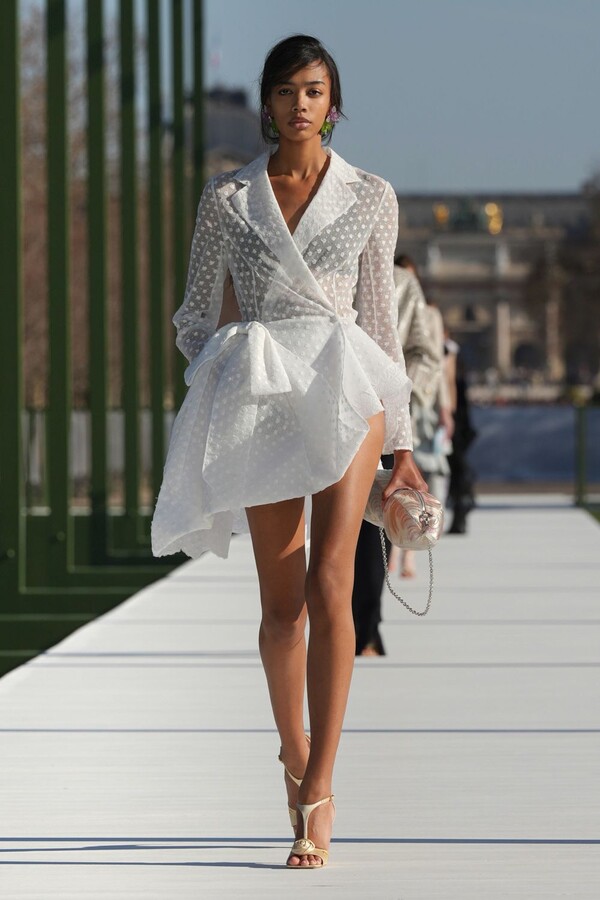
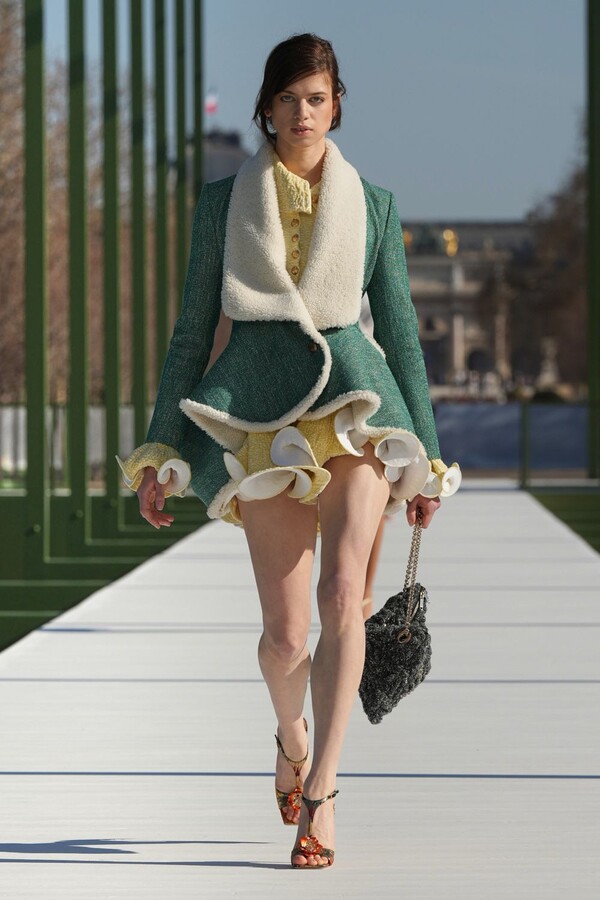
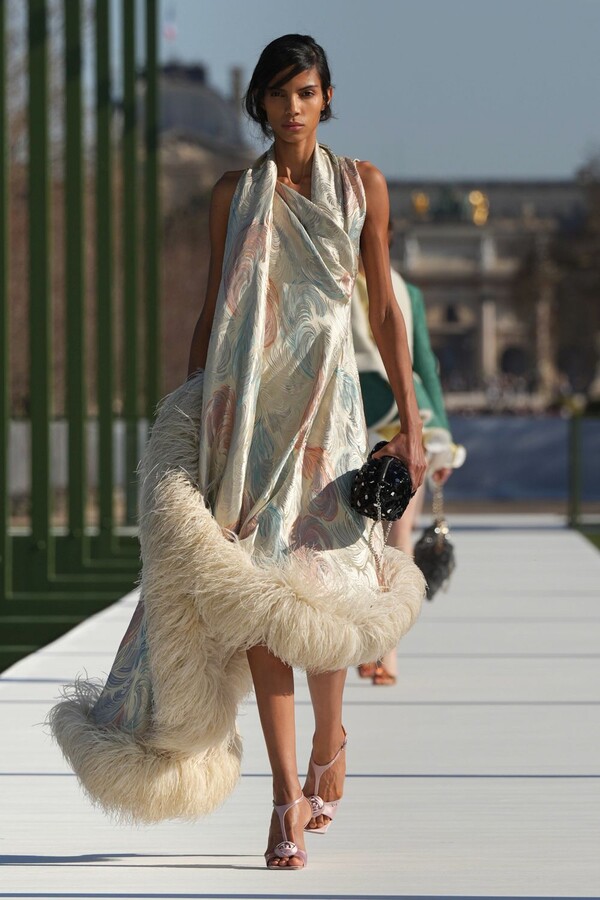
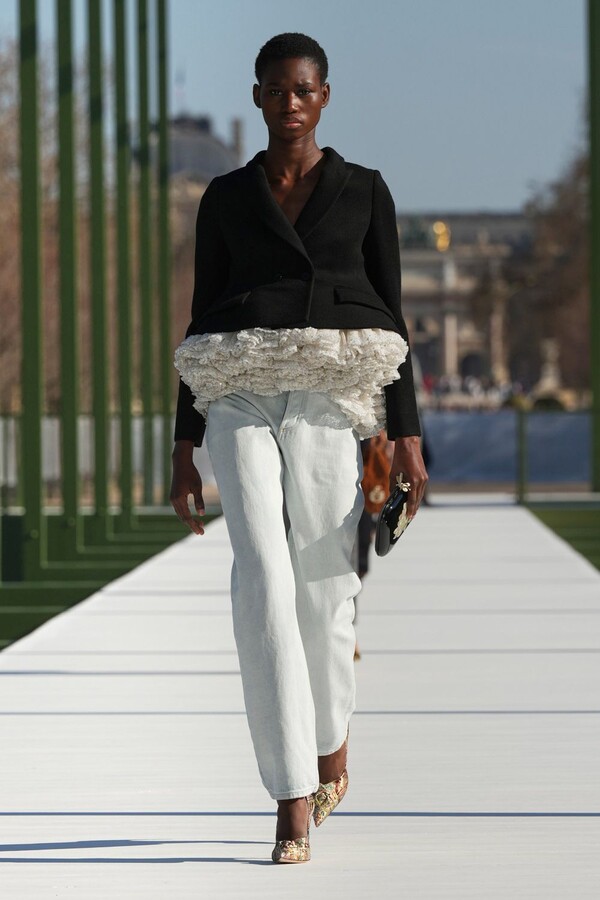
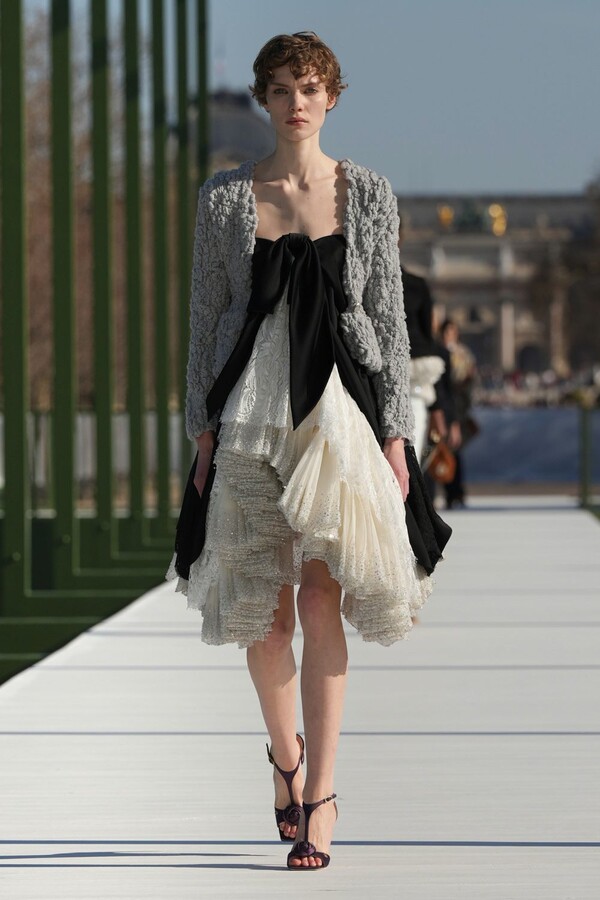
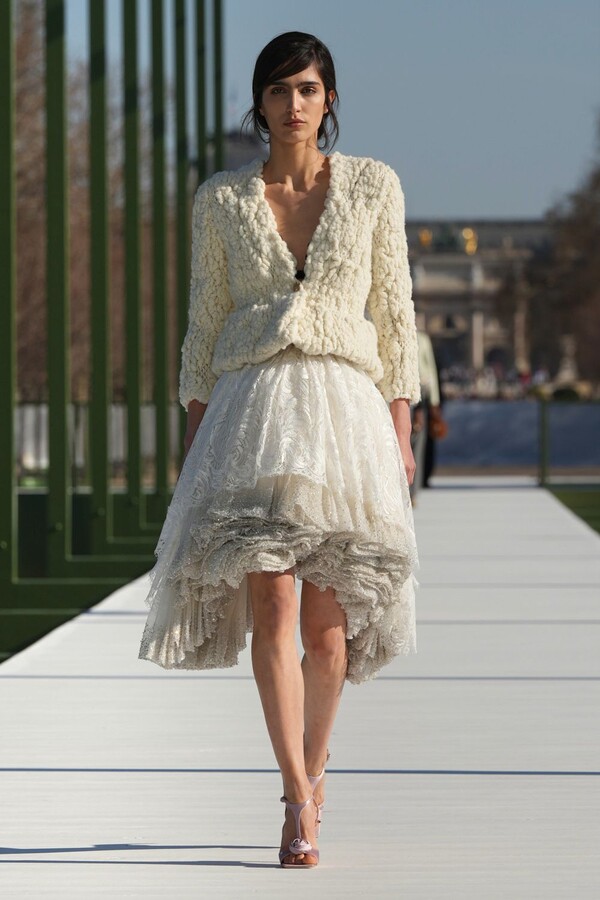
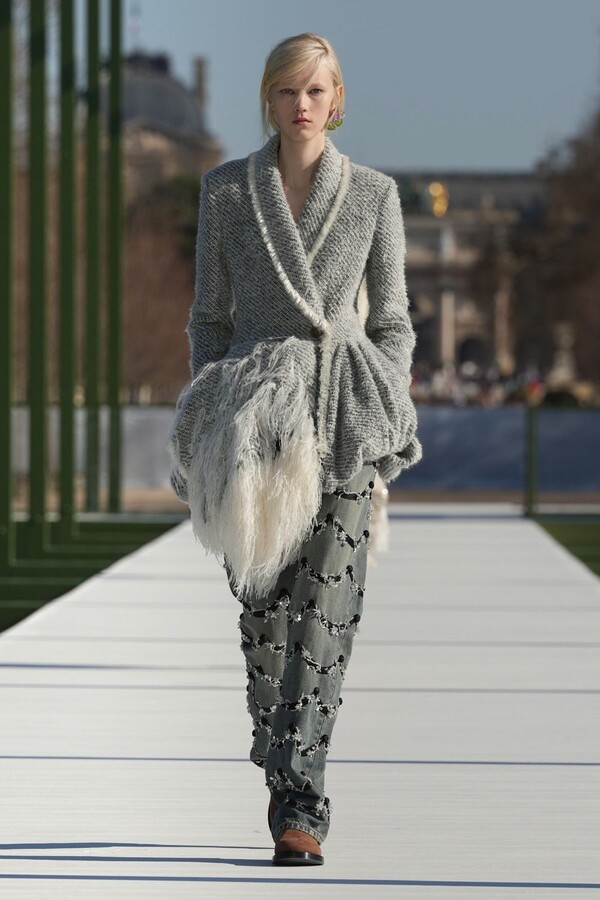
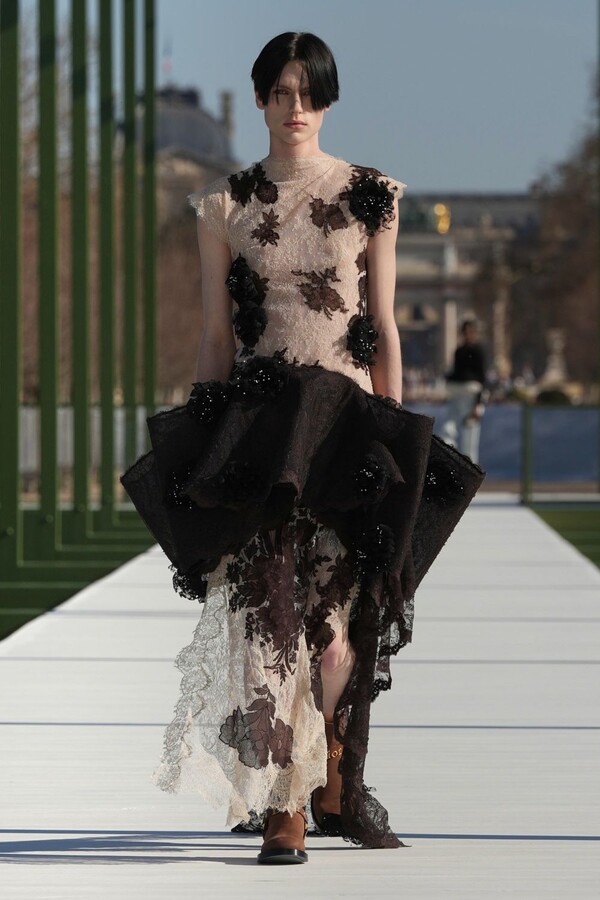
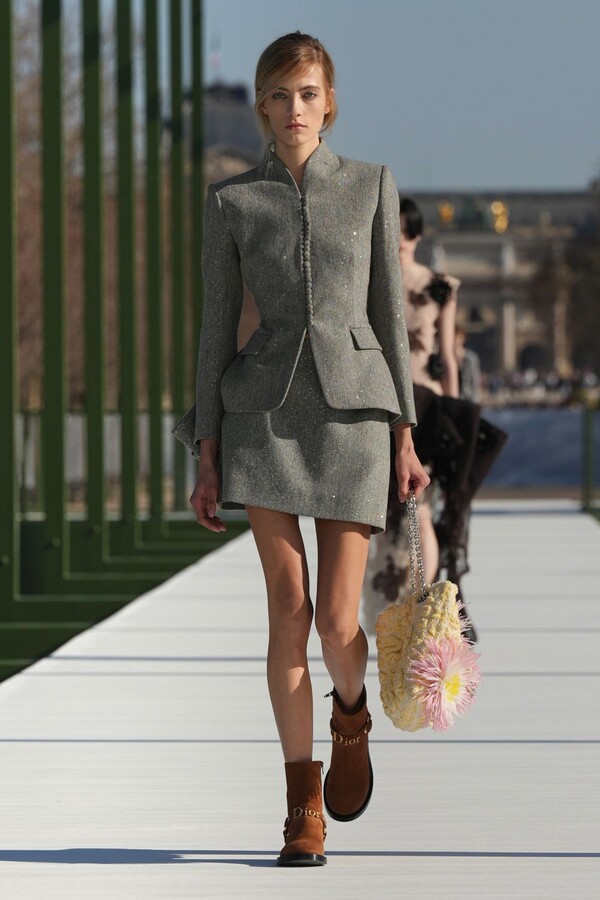
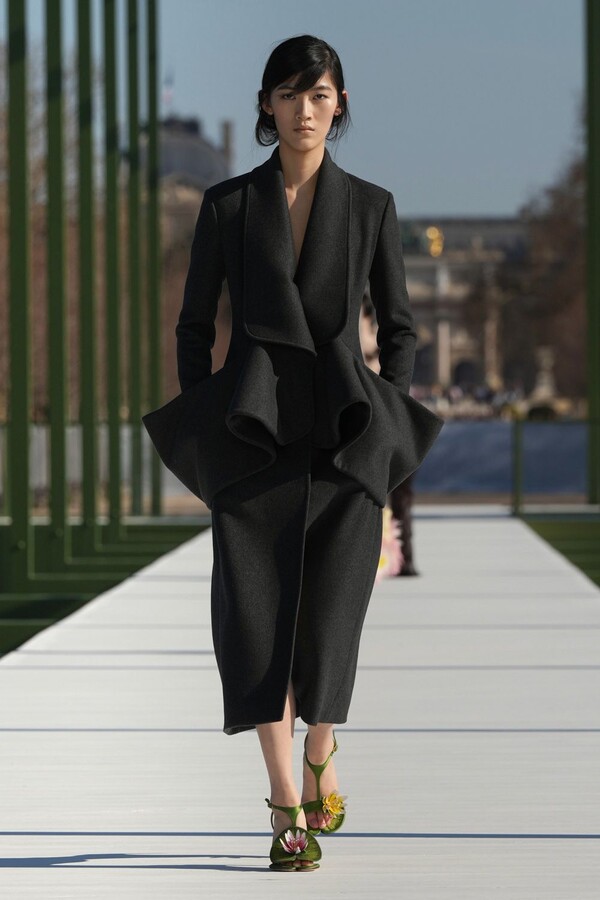
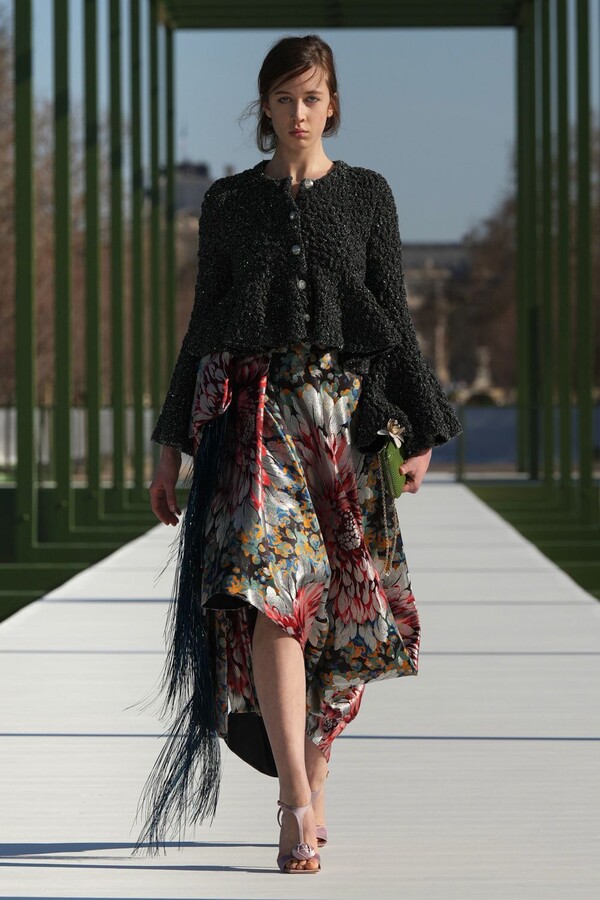
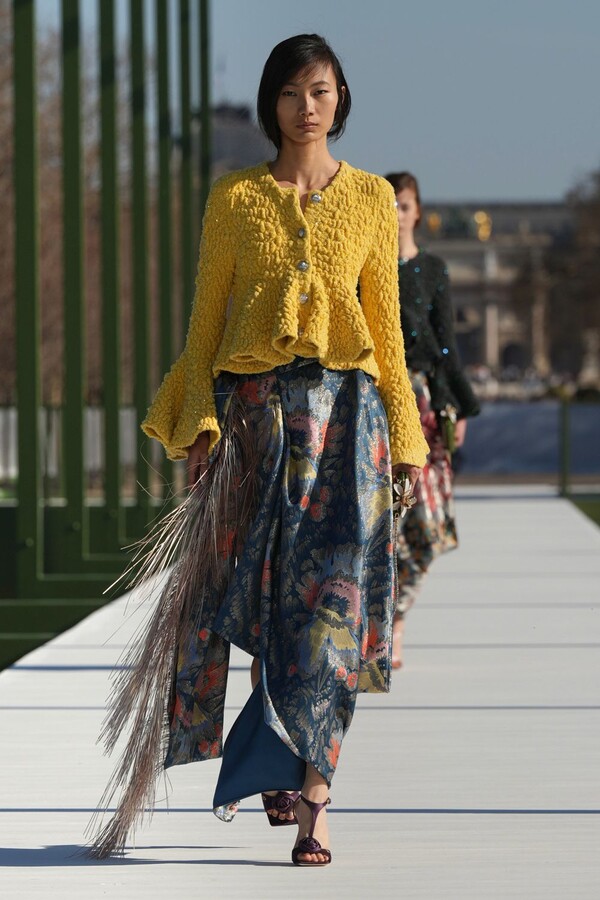
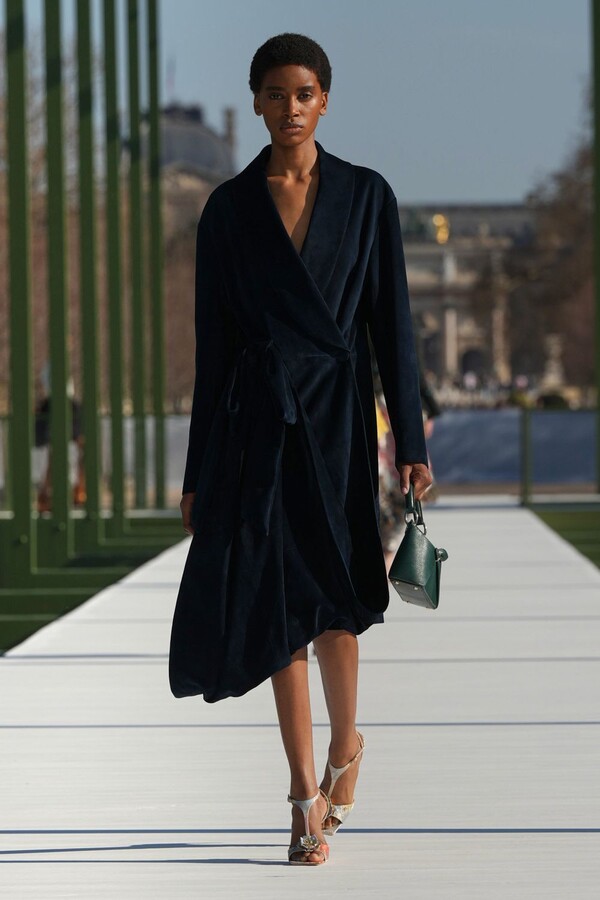
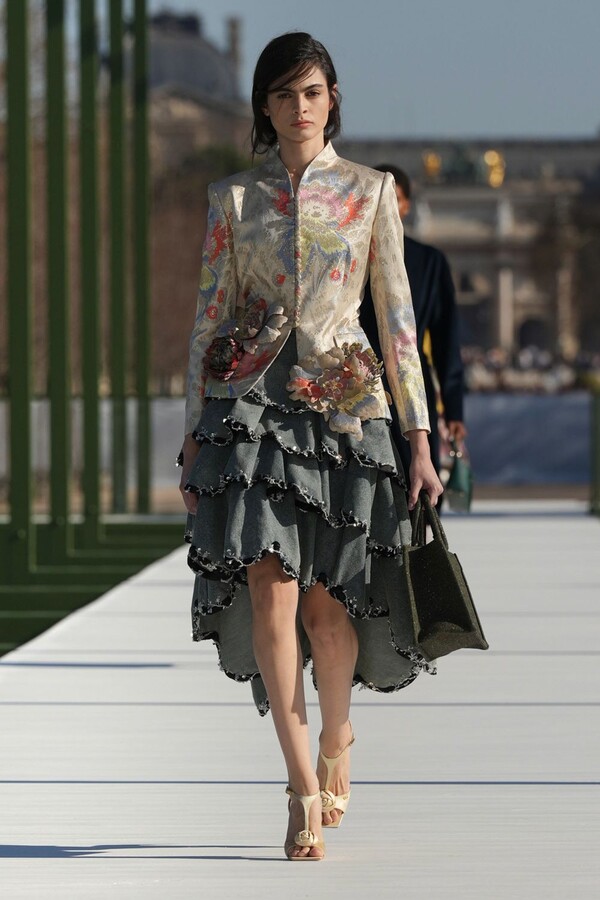
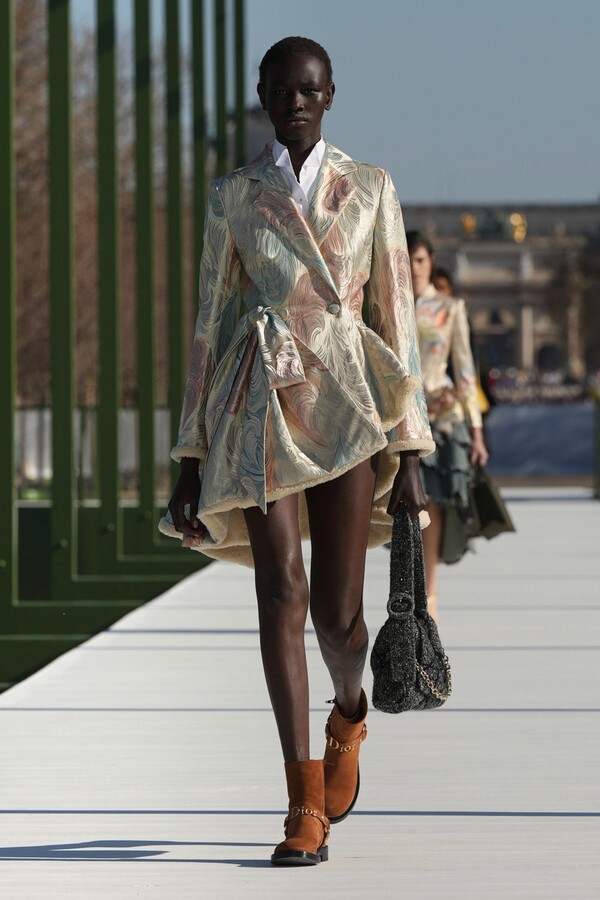
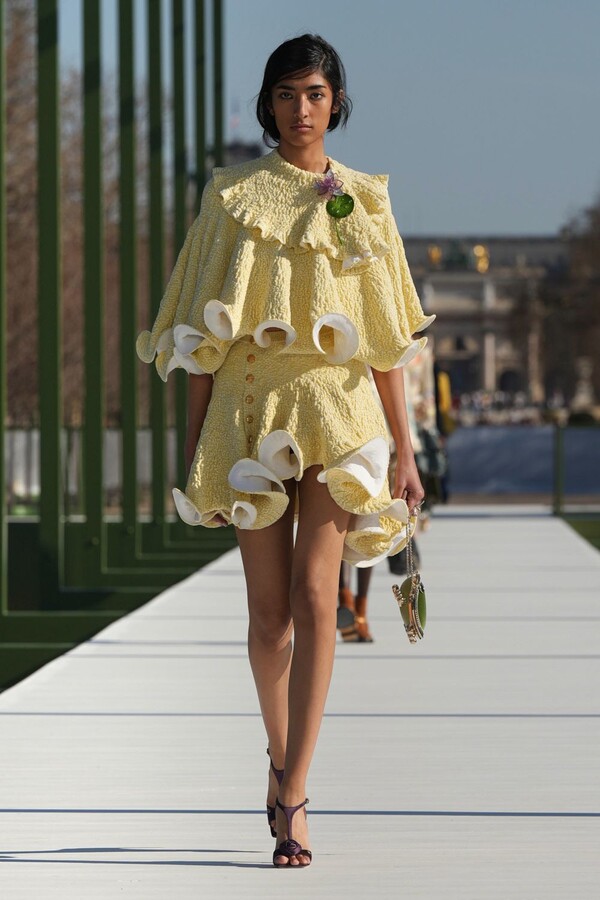
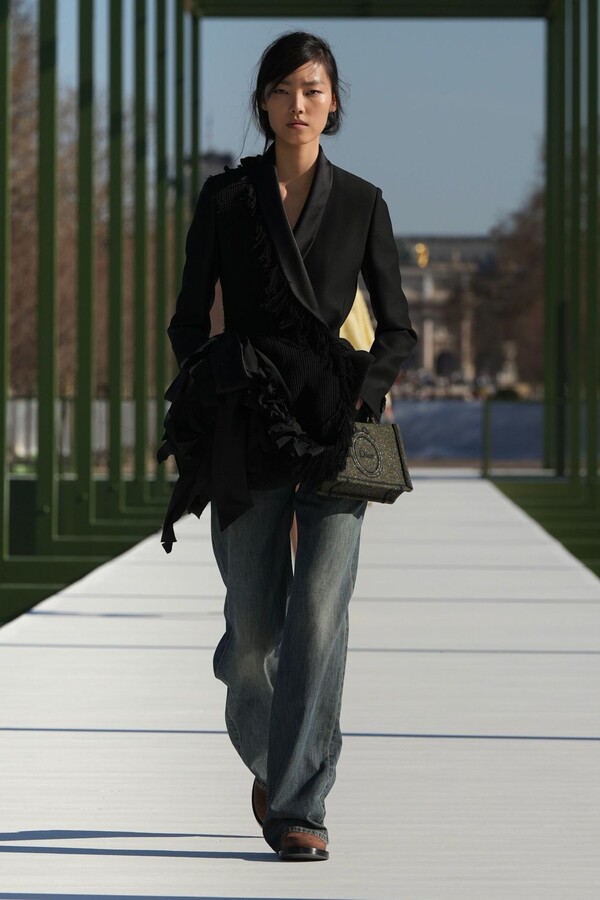
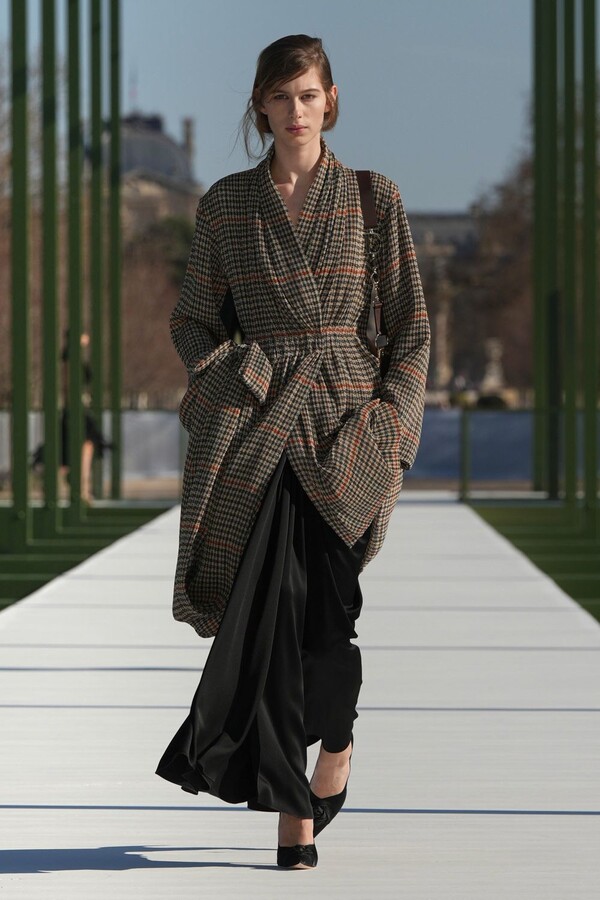
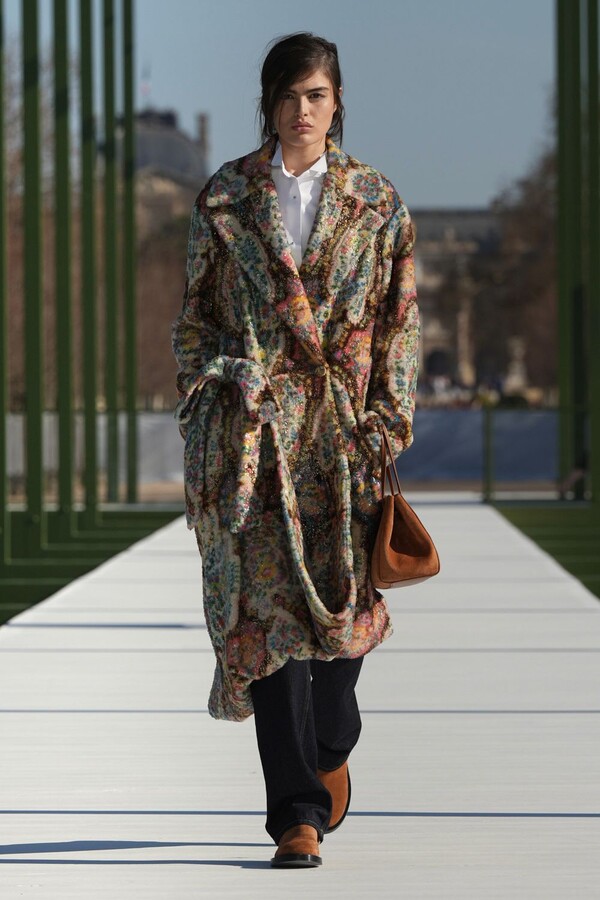
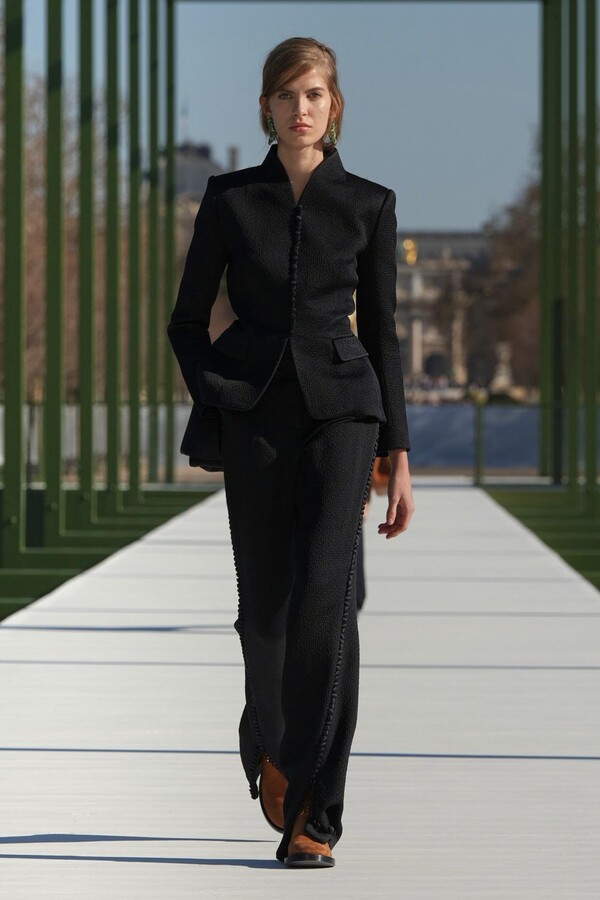
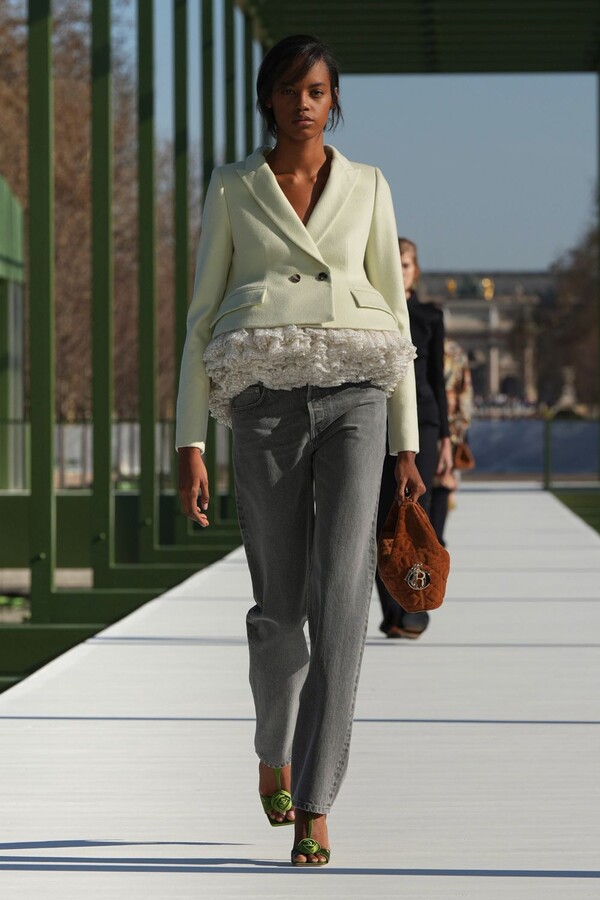
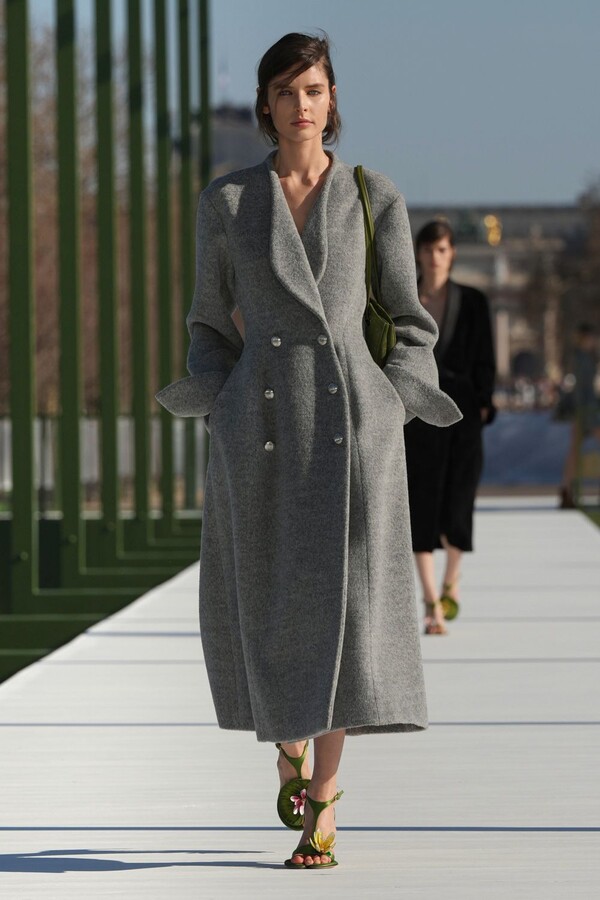
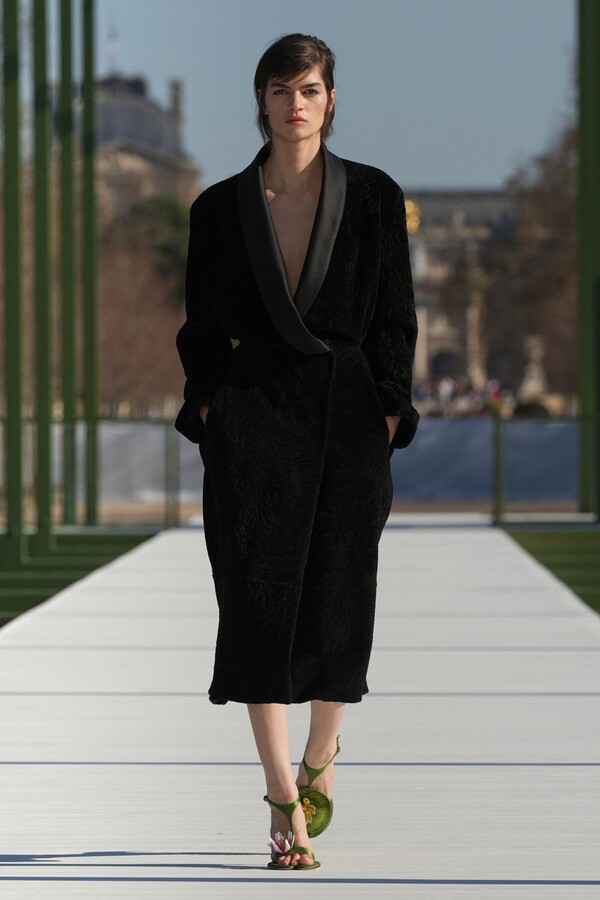
Image courtsey of Dior